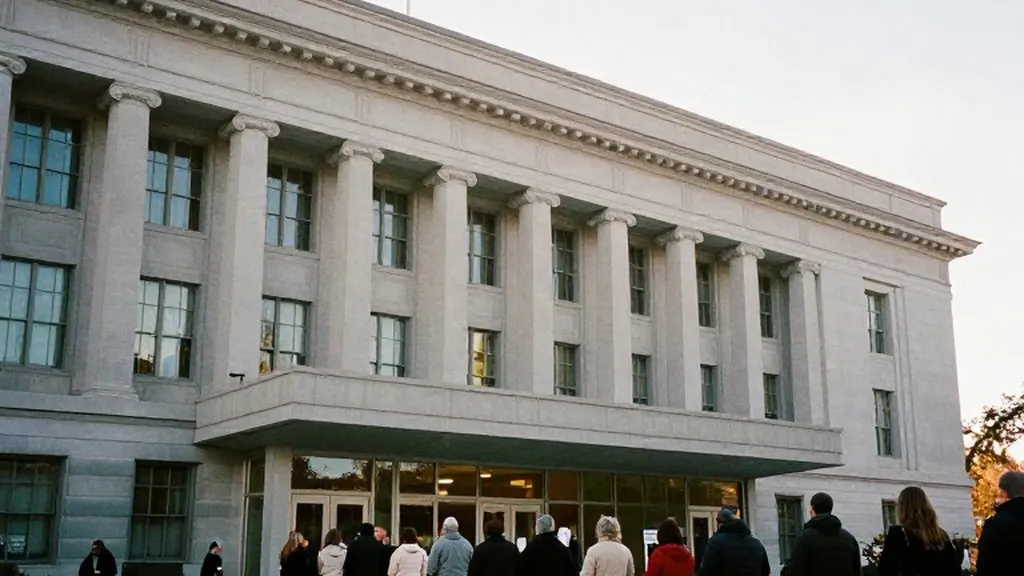
Economy tops ballot as AP poll shows price concerns driving voter choice
New polling data reveals that inflation and the cost of living are the primary factors influencing voters in the 2026 midterm elections, overshadowing other policy debates.
By Rafael Collins ·
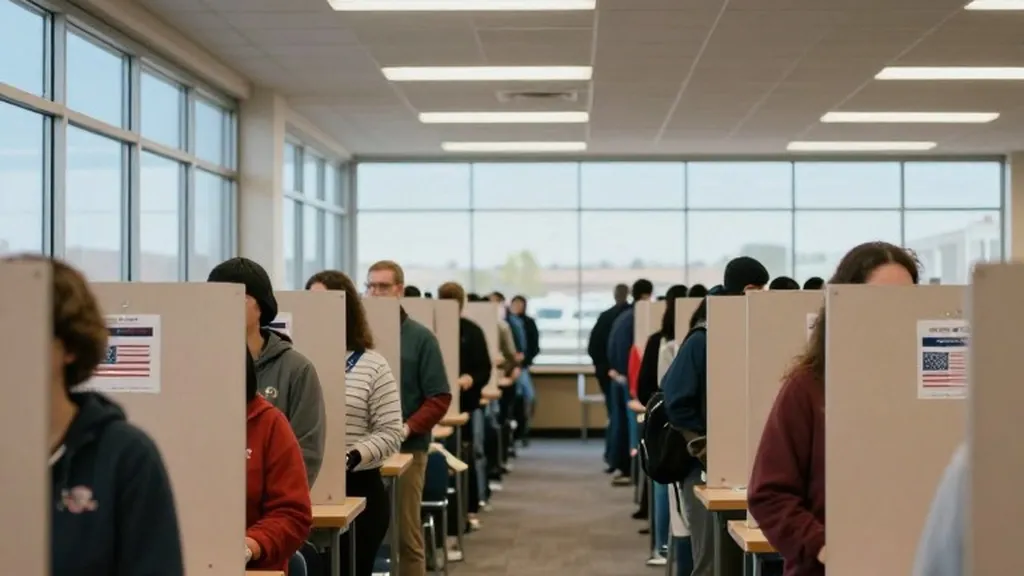
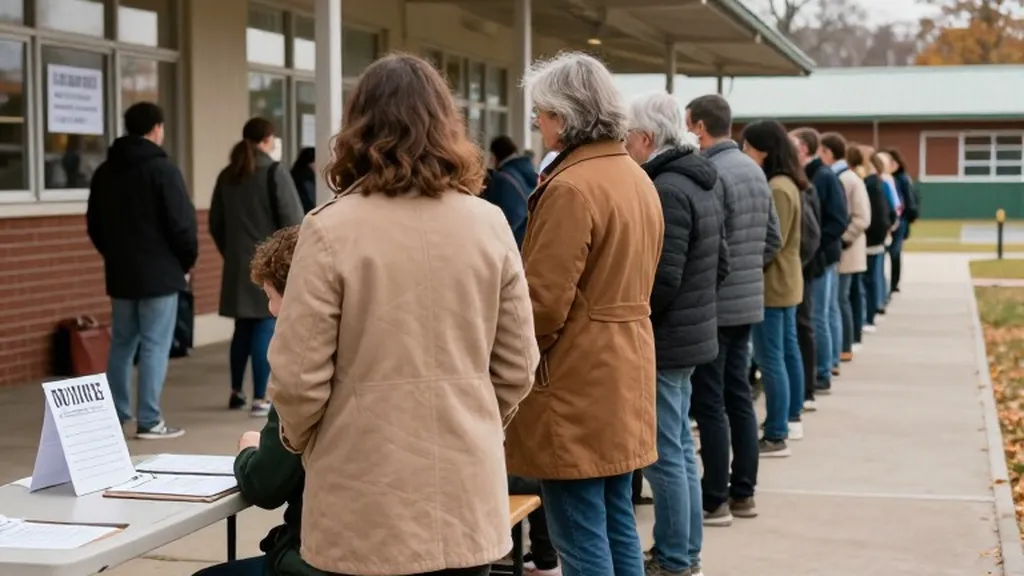
Election Day has arrived in the United States, with polls open across all fifty states as voters head to the booths to decide the balance of power in Congress. The Associated Press reports that the atmosphere is defined by a deep concern over the state of the economy, with many Americans expressing frustration over rising costs. This sentiment is reflected in recent data, which indicates that the price of goods and services has become the central issue for the electorate. The polling suggests that economic anxiety is a dominant force in this midterm cycle, potentially shaping the outcome of both chambers of the legislature.
The AP-NORC numbers show that thirty-five percent of U.S. Adults approve of President Donald Trump's job performance. However, approval drops significantly when the focus shifts to economic management, with only twenty-five percent approving of his handling of the economy. Approximately seven in ten respondents said the country is heading in the wrong direction, and most blamed the President for high prices. These figures highlight a disconnect between the administration's narrative and the lived experience of many households, providing a backdrop for the fierce competition in sixty House districts identified as battlegrounds by Ballotpedia.
Voters in specific regions are articulating these economic concerns in direct terms. James Moore, a fifty-seven-year-old librarian in Raleigh, North Carolina, said that he is paying more for taxes, healthcare, and everything else. His comments reflect a broader trend in swing states where the cost of living is a tangible daily reality. In contrast, Mark Barker of Palm Beach Gardens, Florida, expressed a more positive view of the President's work, saying he believes Trump is doing an awesome job. These divergent perspectives illustrate the complex landscape of voter sentiment that candidates are navigating on this critical day.
The impact of tariffs and trade policies is also contributing to the economic strain felt by voters. In Maine, economic strain and tariffs have made the state competitive in the Senate race. Senator Susan Collins, a Republican, faces Democratic former state Senate President Troy Jackson in a contest that has been rated a toss-up by multiple polling organizations. The AP-NORC data suggests that concerns about prices are not limited to urban centers but are affecting rural and suburban voters alike, who are weighing the long-term effects of trade policies on their wallets.
Republicans are bracing for the possibility of losing the House of Representatives, a chamber where Democrats currently hold a slim majority. With two hundred eighteen seats held by Republicans and two hundred fourteen by Democrats, the margin is narrow. Democrats need a net gain of three districts to secure a majority, while Republicans can afford to lose no more than two seats. The Associated Press notes that one or two seats could tip the balance in either chamber, making every vote count. This tight race is driving intense campaigning and high levels of voter engagement, with more than fifty-seven million people having already cast ballots as of Monday.
The Senate race is equally precarious for the incumbent party. Republicans hold fifty-three seats, and Democrats need a net gain of four seats to take control. Eleven senators are not running again, including four Democrats and seven Republicans, which adds uncertainty to the final tally. In states like Georgia and Michigan, the races are closely contested, with economic issues playing a significant role in voter decision-making. The AP-NORC poll indicates that voters are scrutinizing the record of the current administration, particularly regarding its ability to manage inflation and stabilize the economy.
Money is a significant factor in this election, with the 2026 cycle likely to be the most expensive in history. Republican committees have outraised and outspent Democratic committees, aided by Trump-affiliated groups and Elon Musk. However, at the candidate level, Democrats have managed to outraise their opponents. The Associated Press analysis of AdImpact data shows that eighty-eight point one percent of Republican general election TV ad spending went to states and districts that Trump won in 2024. This strategic allocation of resources underscores the importance of the economy in the campaign messaging, as both parties seek to connect with voters on the issue of prices.
Voters are also paying attention to the administration's efforts to manage the electoral process. A federal judge temporarily barred the Trump administration from carrying out a plan to prevent noncitizen voting, a move that critics argued could disenfranchise eligible voters. The U.S. Postal Service has added hours and staff to ensure mail ballots are counted on time, reflecting the logistical challenges of a high-turnout election. These administrative details, while often overlooked, play a crucial role in ensuring that the will of the people is accurately reflected in the final results.
As polls close across the country, the focus remains on the economy and the issues that matter most to voters. The AP-NORC data provides a snapshot of the current sentiment, showing that prices and the state of the economy are the top concerns for the American people. Whether this concern translates into a shift in congressional control will become clear in the coming days, but the message from the polls is clear: voters are watching their wallets, and they expect their representatives to do the same. The outcome of this election will have significant implications for the final two years of the Trump administration and the direction of the country.