Democrats Control Congress as Trump's Justice Department Prepares for a Fierce Showdown
With Democrats holding majorities in both chambers, the White House has signaled a combative stance, setting the stage for intense investigations into the executive branch.
By Kaito Sokolov ·
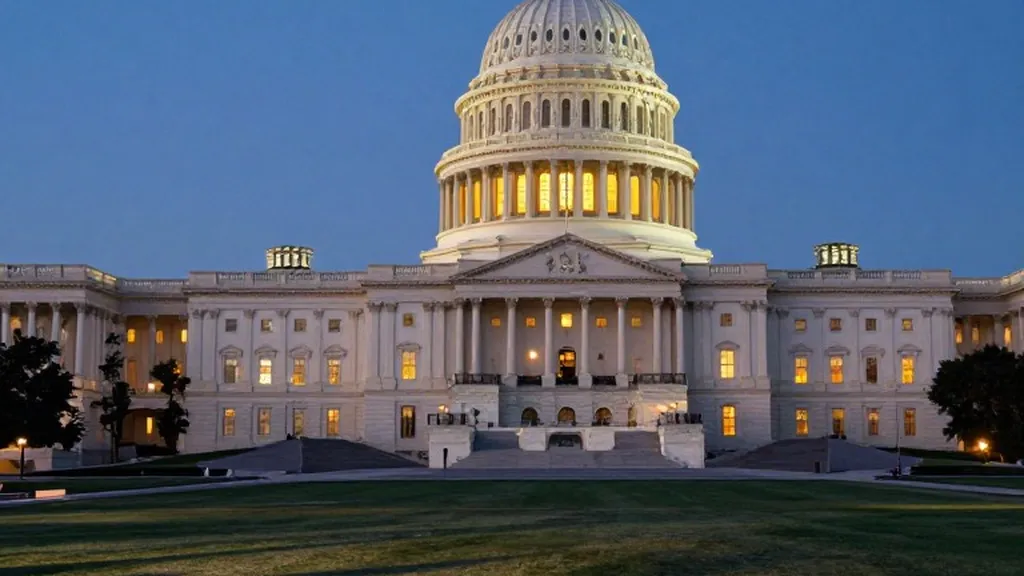
Democratic candidates have secured control of both the House of Representatives and the Senate in the 2026 midterm elections, marking a significant shift in the balance of power in Washington. This victory provides the party with the numerical strength to launch aggressive oversight of the executive branch, a promise that resonated with voters across the country. The results reflect a electorate that is increasingly focused on the need for robust checks and balances on the presidency, a sentiment that has driven turnout in key battleground states. For conservative readers, the outcome underscores the intense competition for influence in the coming two years, where legislative power will be tested against presidential authority. The new congressional leadership is already preparing to assert its role, signaling that the period of relative calm between the branches is over.
President Donald Trump responded to the election results with a declaration of defiance, framing the incoming Democratic agenda as a direct challenge to his administration. On social media, the president described the investigative requests already made by Democrats as "extortion at the highest level," suggesting that the party should be held accountable for its actions. This rhetoric sets a combative tone for the remainder of his term, indicating that the executive branch intends to fight back against what it views as overreach by the legislative branch. The administration's posture suggests a willingness to engage in a prolonged legal and political battle, a strategy that could define the final two years of the current presidency.
Attorney General Todd Blanche echoed the president's stance, warning that criminal investigations of Democratic lawmakers are a possibility if they continue to threaten existing members of the administration. Blanche stated that Democrats are not allowed to go around threatening companies and administration officials, a comment that highlights the administration's concern about the scope of congressional oversight. This defensive posture suggests that the Justice Department is preparing for a multi-front conflict, one that may involve not only political disputes but also legal challenges that could reach the courts. The administration's readiness to use the full weight of its prosecutorial power signals a new era of high-stakes confrontation in Washington.
In response to the administration's rhetoric, Democratic leaders have vowed to push forward with their oversight agenda, led by Rep. Robert Garcia, who is poised to chair the House Oversight Committee. Garcia has described the incoming Democratic majority as a mandate to investigate what he calls the "Trump crime family," a phrase that encapsulates the party's intent to scrutinize the administration's conduct. He stated that the days of Democrats not fighting back are over, a message that was met with enthusiasm by party members who see the election as a chance to restore accountability. Garcia's leadership will be central to the party's strategy, as he prepares to launch investigations that could span multiple areas of executive power.
The potential for impeachment has also emerged as a key talking point, with Democratic House leader Hakeem Jeffries stating that it is an option if those in power are "shortchanging the American people." Jeffries, who is on the cusp of becoming the first Black House speaker, emphasized that accountability must be consistent with Congress' constitutional role. While some Democrats are cautious about the political risks of impeachment, others see it as a necessary tool to check presidential power. This debate within the party reflects a broader tension between the desire for aggressive oversight and the need to maintain unity and focus on legislative priorities such as lowering the cost of living.
Voters themselves have expressed a strong desire for Congress to act as a check on the presidency, with about seven in ten respondents in a recent survey indicating that the legislative branch is not doing enough in this regard. This poll result provides a clear mandate for the incoming Democrats to pursue oversight aggressively, even as they face the challenge of balancing this work with other legislative goals. The election results suggest that voters are willing to support a confrontational approach if it leads to tangible results, but they also remain concerned about the day-to-day issues that affect their lives, including the economy and border security.
Border security and immigration enforcement have been central issues in the election, with about six in ten voters saying the administration's actions in this area have "gone too far." This sentiment has complicated the Democrats' approach to working with the administration, as they seek to address these issues without appearing to be overly critical of the president's core agenda. The appointment of Stephen Miller as chief of staff has further complicated matters, with Jeffries calling it an "awful choice" and expressing doubt about the prospects for cooperation. Miller's role in the administration's mass deportation efforts has made him a focal point of criticism, and his appointment suggests that the administration will continue to prioritize this agenda in the coming months.
The election also saw historic milestones in state and local races, with Deb Haaland becoming the first Native American woman elected governor of a U.S. state in New Mexico. Haaland, a Laguna Pueblo citizen, has a history of breaking barriers in politics, having served as the first Native American to lead a U.S. Cabinet agency. Her victory is seen as a significant moment for Native American representation in government, and she is expected to focus on making life more affordable for New Mexicans and improving education outcomes in the state. Her win adds to a wave of historic firsts in this election cycle, reflecting a broader trend of increased diversity in political leadership.