Democrats seize Congress: What it means for investigations and 2028
With both chambers under Democratic control, the new Congress prepares for oversight battles, while President Trump names Stephen Miller as chief of staff.
By Jonathan Ramirez ·

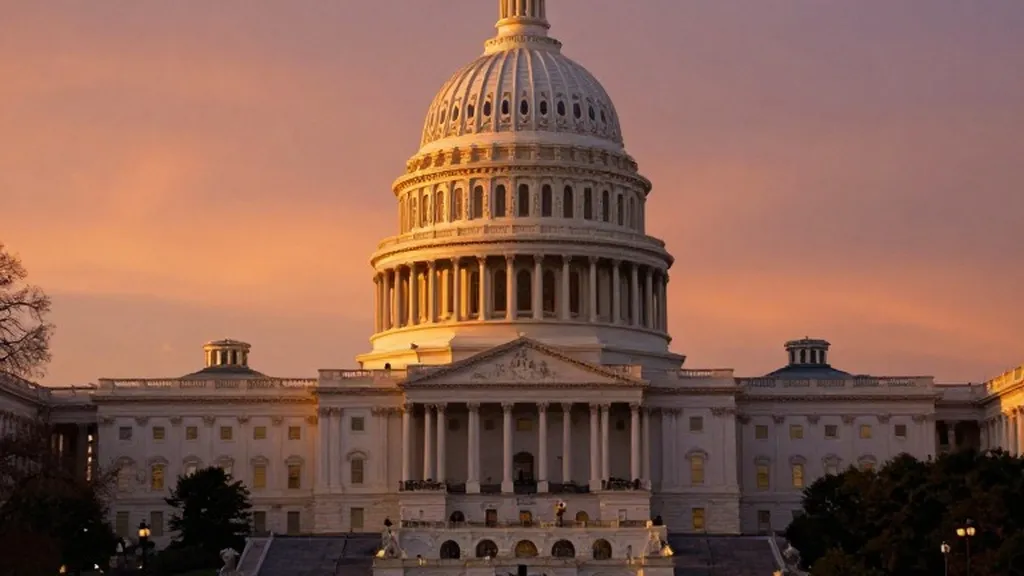
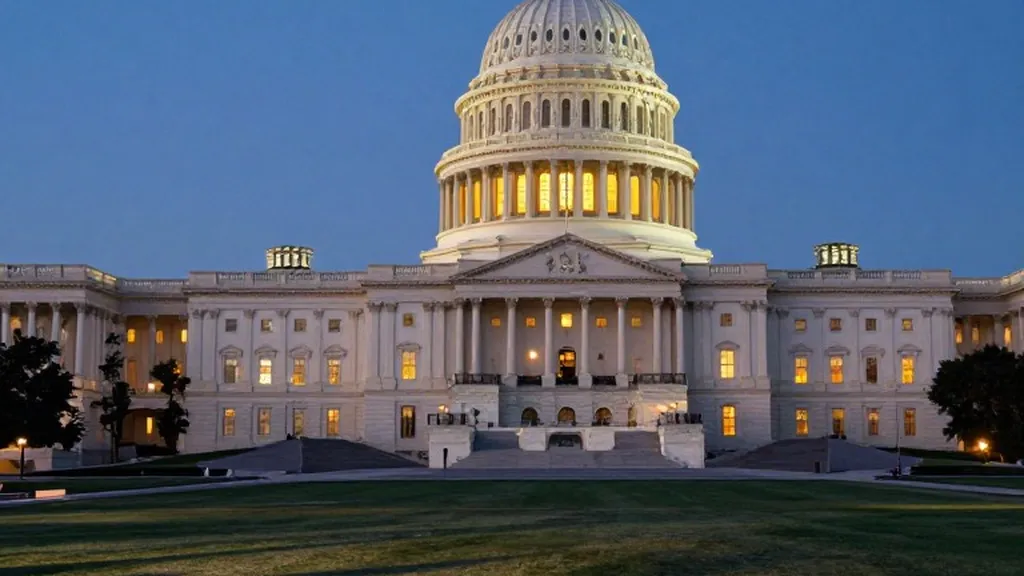
Democratic candidates won majorities in both the U.S. House and Senate in the 2026 midterm elections, marking a significant shift in the balance of power in Washington. According to results compiled as of 4:00 PM ET on November 6, Democrats hold at least a 250 to 157 majority in the House and a 54 to 44 majority in the Senate. This outcome follows the loss of at least 43 House seats and seven Senate seats for the Republican Party, a net loss that places this election in the top 20 percent of election years in terms of seat swings against a sitting president's party.
The change in control means that the new Democratic leadership will have the authority to launch investigations and shape legislative priorities for the final two years of the current administration. Democrats have already signaled that oversight of Immigration and Customs Enforcement and the Department of Homeland Security is a priority for the new Congress. This focus comes as the administration continues its hardline immigration crackdown, a policy that President Donald Trump acknowledged may have been too aggressive for voters in the recent election.
President Trump responded to the election results by making significant changes to his administration's leadership. On Friday, he named longtime aide Stephen Miller as his new chief of staff, replacing Susie Wiles. Miller is widely recognized as the architect of the administration's strict immigration policies. This appointment drew immediate criticism from Senate Democratic Leader Chuck Schumer, who noted that Trump put the man responsible for the controversial agenda in charge of the White House. Schumer described the move as a promotion rather than a course correction.
Despite the leadership changes, Trump indicated a willingness to work with the new Democratic majority on immigration. In an interview, he stated that he believes he can reach an agreement with Democrats on a deal that would allow certain immigrants to stay if they are good people working in various sectors. He suggested that the deal could involve letting those who are contributing to the economy remain in the country. This potential compromise aims to address the concerns that contributed to the Republican losses while maintaining the administration's core objectives on border security.
The new congressional majority also positions Democrats to scrutinize the administration's financial dealings. During the campaign, Democrats sought to make the president's personal wealth a central issue, and about half of voters nationally said government corruption was crucial for their vote. Trump addressed this by stating that he does not pay much attention to his net worth, which rose by three billion dollars since returning to the White House. He noted that his sons look after the family business and that he devotes almost no time to tracking his own finances.
Looking ahead to the 2028 presidential election, Trump hinted that he may stay neutral in the race to succeed him. When asked if he would endorse a potential successor, he said probably not necessarily, citing the tremendous bench of talented individuals within the party. He named Secretary of State Marco Rubio as a possible contender, describing him as great, but suggested there are many others who are excellent. This stance suggests that the 2028 field will be open, with various senators and officials potentially emerging as leading candidates in the coming years.
The election results also highlight a broader trend of Democratic gains in state government. Democrats won a plurality of state government trifectas and state legislative chambers, as well as a majority of governorships for the first time since before the 2010 elections. In the 36 gubernatorial races, Democrats won 22 and Republicans won 12, with two races remaining uncalled. This shift in state power will influence the political landscape and the strategic decisions made by the new congressional majority as they prepare for the upcoming legislative session.
The new Congress will also face the task of managing the relationship with the White House as they begin their oversight roles. The appointment of Stephen Miller as chief of staff signals that the administration will maintain its hardline approach to immigration, even as it seeks a deal with Congress. This dynamic sets the stage for a complex period of negotiation and potential conflict, with both sides looking to define their agendas and priorities for the remainder of the administration's term.
As the new members of Congress take their seats, they will have the power to approve or reject nominees and shape the direction of federal policy. The 100-day agenda of the new House leadership will likely focus on key issues such as the economy, border security, and oversight of federal agencies. The ability to conduct investigations and hold hearings will be a critical tool for the Democrats as they seek to hold the administration accountable and advance their legislative goals.
The election results serve as a clear mandate for the new leadership, with voters expressing a desire for change in both chambers of Congress. As the Democrats prepare to implement their plans, they will face the challenge of translating their electoral victory into concrete policy wins. The coming months will test their ability to work with the president and navigate the political landscape, with the 2028 election already looming on the horizon as a key factor in their strategic decisions.