Democrats seize both chambers as Trump reshuffles White House leadership
A historic wave of Democratic victories ends GOP control of Congress, prompting immediate leadership changes and a controversial press secretary offer.
By Kaito Sokolov ·
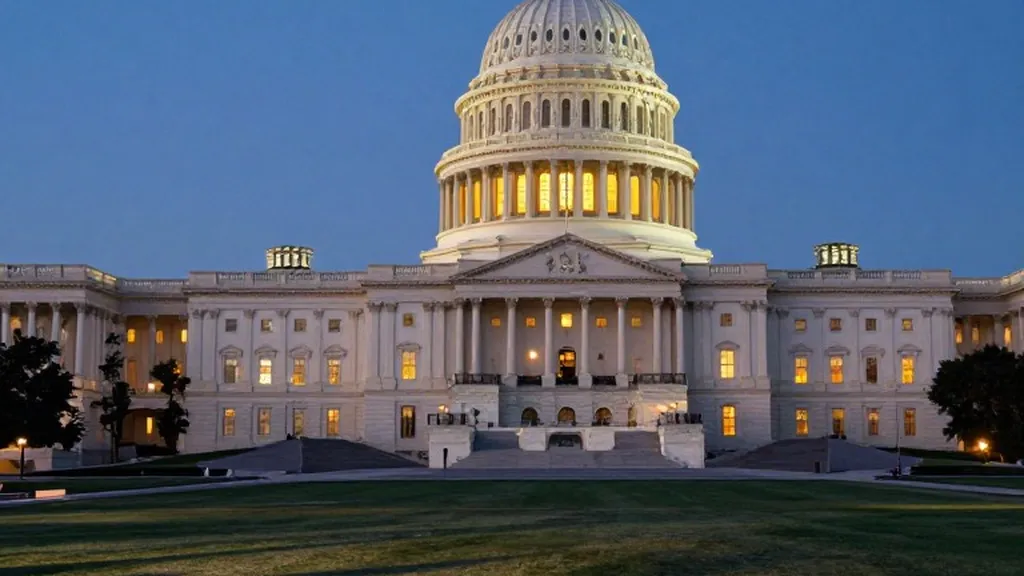
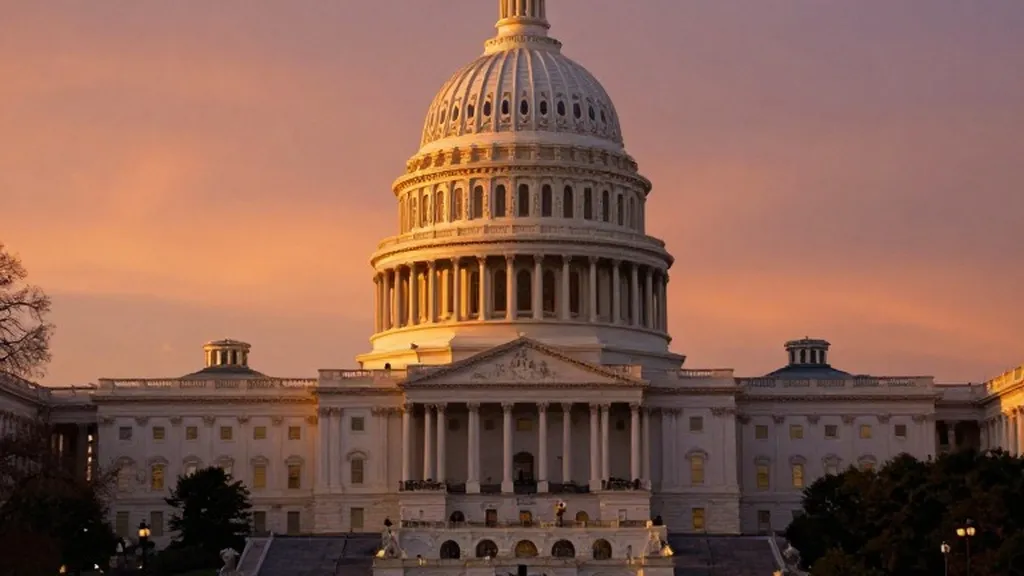
Voters across the nation delivered a decisive verdict on Tuesday, November 3, handing Democrats control of both chambers of Congress in a shift that marks one of the most significant political upheavals in recent memory. The results, finalized as of early Saturday morning, show that Democratic candidates picked up at least 43 House seats, 42 of which were previously held by Republicans, and secured seven Senate seats that had been under Republican control for years. This outcome ends the Republican majority in the Senate and solidifies a new Democratic supermajority that will shape the legislative agenda for the next two years.
According to the compiled election data, Democrats now hold at least a 250-157 majority in the House and a 54-44 majority in the Senate. For conservative voters who prioritized maintaining Republican majorities, the margin of defeat is stark. The net loss of at least seven Senate seats places this election among the top 20 percent of election years for seat swings against a president’s party, a threshold often used to define a wave election. While the House losses of 42 seats are slightly below the 48 needed for the same classification, the overall trajectory signals a powerful mandate for the opposition party.
The shift in power extends beyond Washington, with Democrats winning a plurality of state government trifectas and a majority of governorships for the first time since before the 2010 elections. In the 44 states where trifecta status was decided, Democrats control 20, while Republicans hold 16, and eight states face divided governments. This geographic expansion means that state budgets, education policies, and border security implementations at the state level will now be influenced by Democratic leadership in key regions.
President Donald Trump reacted to the electoral defeat with immediate and unconventional moves to reshape his administration. From his golf club in West Palm Beach, Florida, the president announced on social media that he has offered the job of White House press secretary to UFC boss Dana White. Trump described White as a violent fighter and warrior, suggesting he would bring along several UFC fighters as assistants to defend the administration against the Lunatic Left. The White House did not immediately confirm the offer, and White, who was in London for a boxing event, shared an image of himself behind the podium in the press briefing room with the caption On to the next chapter.
This leadership shakeup follows the president’s decision to replace longtime adviser Susie Wiles with Stephen Miller as chief of staff. Miller is widely known as the architect of the administration’s hard-line immigration policies, a position that signals a continued focus on border security despite the political headwinds. The transition comes after a tumultuous week in which Trump tried out a new press secretary, Katie Zacharia, who left the job after only five days. The post had been vacant since Karoline Leavitt departed at the end of August, leaving the administration without a chief spokesperson for a significant period.
The election results have immediate implications for the economy and legislative priorities. With Democrats controlling both chambers, they can pass bills without the need for bipartisan compromise, potentially accelerating action on economic relief and consumer protection measures. For conservative readers, the loss of control means that Republican efforts to maintain fiscal discipline or streamline government operations will face significant hurdles. The new Democratic majority will likely push for expanded social programs and infrastructure spending, areas where they have traditionally held strong support among their base.
State-level results further complicate the national picture. Democrats won 22 of the 36 gubernatorial races, while Republicans won 12, with five states changing party control from Republican to Democratic. This shift affects how state governments interact with federal agencies, particularly in areas like healthcare and energy policy. The loss of key statehouses may also impact the implementation of federal border security initiatives, as state leaders play a crucial role in coordinating local resources and funding.
The Senate race in Mississippi remains a point of intense focus, with Democrat Scott Colom leading in the count of outstanding ballots. While the race has not yet been called, Colom’s potential victory would make him the first Black senator from the state since Reconstruction. Republican Senator Cindy Hyde-Smith has not appeared publicly since election night, posting on social media that the team is working to monitor remaining ballots and protect the integrity of the process. The outcome in this Deep South state will further cement the Democratic gains in the Senate and influence the balance of power in the chamber.
President Trump’s administration faces a challenging road ahead with a unified Democratic Congress. The president’s recent moves to appoint a non-traditional press secretary and a hard-line chief of staff suggest an intent to maintain a combative tone with the new majority. The offer to Dana White, a figure known for his bold personality and public presence, underscores the administration’s strategy to project strength and resilience in the face of electoral defeat. As the new Congress convenes, the focus will turn to how these leadership changes affect the administration’s ability to push its agenda forward.
The election results also highlight a broader trend of voter engagement and turnout, particularly among conservative voters who sought to protect their party’s majorities. Despite these efforts, the Democratic wave indicates a strong desire for change among the electorate. The coming days will see close scrutiny of the remaining uncalled races, including those in state legislative chambers, where Democrats have already won a majority of the contested seats. The final tally will provide a clearer picture of the political landscape heading into the new term.