Record spending defines 2026 midterm as money chases Trump's 2024 wins
Republican committees have outspent Democrats with 88.1% of TV ads in Trump districts, but Democratic candidates raised more individually.
By Kaito Sokolov ·
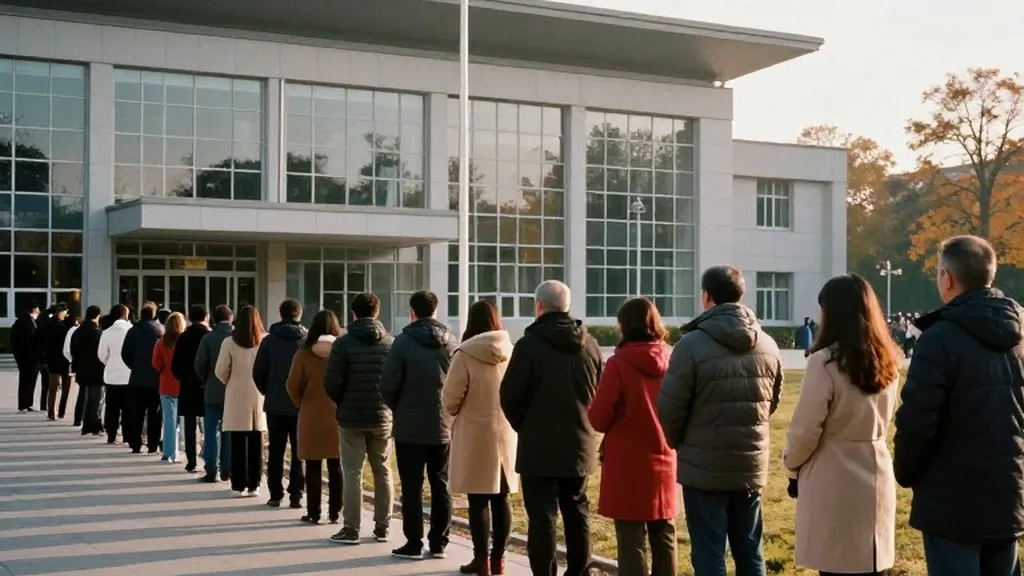
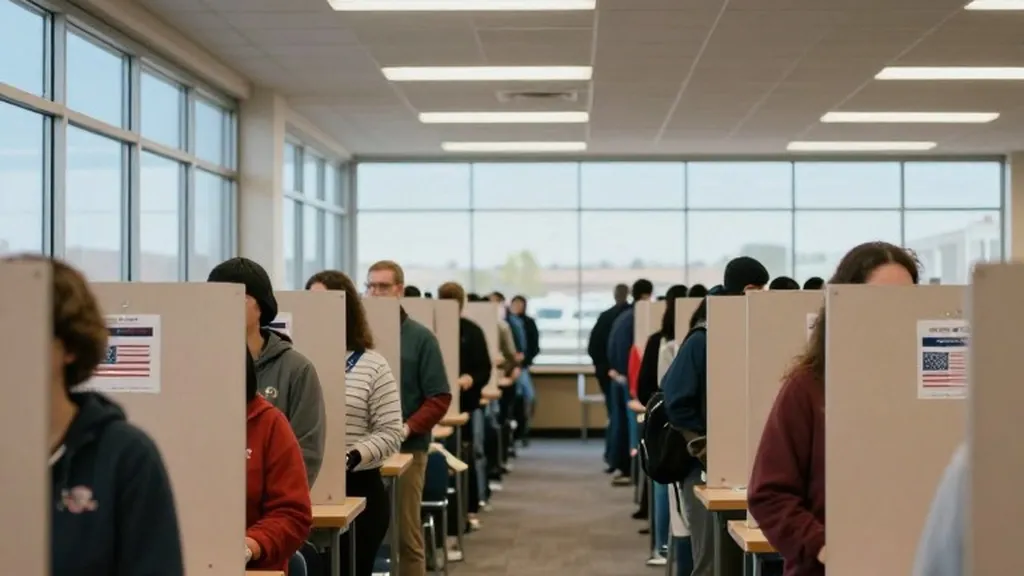
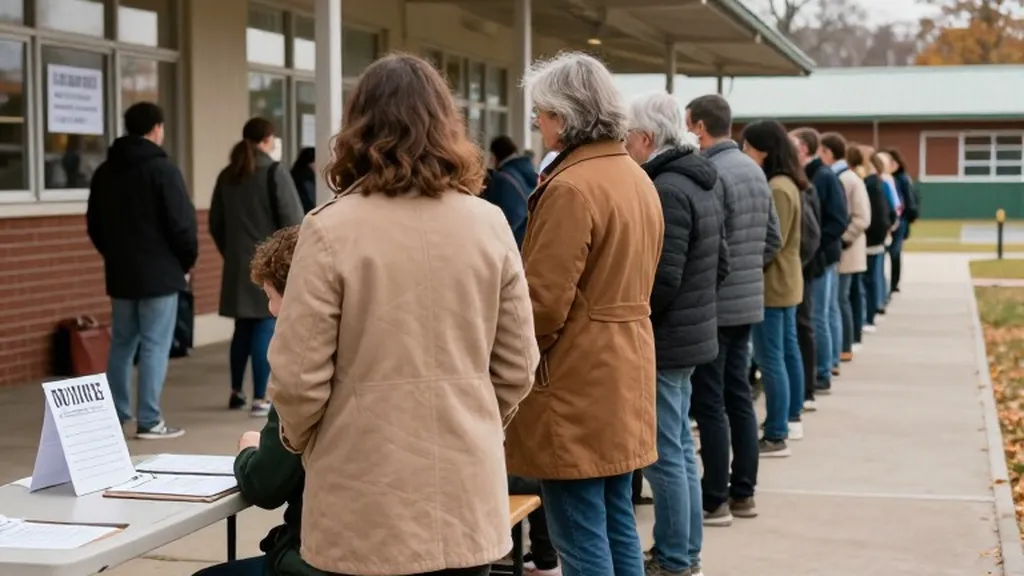
Election Day has arrived for the 2026 midterms, bringing with it a financial scale that history books rarely record. The Associated Press reports that this cycle is likely to be the most expensive election in history. The flow of money has become a defining feature of the campaign, shaping strategy and voter perception in equal measure. As polls open across the nation, the sheer volume of capital deployed stands as a testament to the high stakes involved in determining control of Congress.
The Associated Press analysis of AdImpact data reveals a striking disparity in how that money is being deployed. Republican committees have outraised and outspent their Democratic counterparts. This advantage is heavily supported by Trump-affiliated groups and significant contributions from Elon Musk. The data shows that 88.1 percent of Republican general election television ad spending went to states and districts that Donald Trump won in 2024. This targeted approach reflects a strategy to reinforce the president's electoral base and protect Republican majorities in key legislative chambers.
Within that massive expenditure, a specific figure stands out for its concentration of resources. More than 850 million dollars in advertising was spent in districts where Trump won by 10 points or more. This suggests that Republican strategists believe the safest path to maintaining their congressional edge lies in defending strongholds rather than flipping tough seats. The intensity of this spending has been visible to voters in these areas, with ads dominating local airwaves for months. The goal is to ensure that the president's co-partisans remain in power during his final two years in office.
However, the picture is not entirely one-sided when looking at individual fundraising efforts. While party committees leaned on wealthy donors and affiliated groups to build their war chests, Democratic candidates operated with a different advantage. The Associated Press notes that at the candidate level, Democrats actually outraised their Republican opponents. This grassroots fundraising effort provided a financial cushion for individual races, even if the overall committee spending favored the GOP. It highlights a bifurcated approach to funding, where the party machine and the individual candidates were moving in opposite directions financially.
The divergence in spending strategies is evident in the battleground races currently on the ballot. Republicans are bracing for the possibility of losing the House while fighting fiercely to hold the Senate. The Associated Press indicates that one or two seats could tip the balance in either chamber. In this context, the heavy spending in Trump-friendly districts serves as a defensive wall. It is an attempt to mitigate the traditional midterm pattern where the president's party loses seats. The money is being used to counter the narrative of a referendum on Trump's second term, which the AP describes as a primary driver of voter sentiment.
Voters are grappling with high prices and an unpopular war with Iran. These economic and foreign policy concerns have fueled a sense of anger that campaigns are trying to address with their messaging and money. The AP-NORC poll shows that 35 percent of U.S. Adults approve of Trump's job performance, while only 25 percent approve of his handling of the economy. About seven in ten say the country is heading in the wrong direction. The spending in safe districts is partly an effort to keep these voters engaged and loyal despite the broader national mood.
Democratic leaders are cautiously optimistic, citing their candidate-level fundraising edge as a sign of strong grassroots support. Rep. Suzan DelBene, chair of the Democratic Congressional Campaign Committee, stated that the American people are angry and want change. This sentiment is being backed by the money raised at the candidate level, which allows for more localized and targeted messaging. The Democrats are using their individual fundraising strength to compete in the 46 battleground districts identified by Ballotpedia. These districts, which include 25 held by Democrats and 21 by Republicans, are where the final outcome will likely be determined.
The Republican National Committee Chairman, Joe Gruters, emphasized the importance of turnout said. He noted that everything depends on voters showing up, a reminder that money alone cannot win an election without participation. The early voting numbers have been robust, with more than 57 million people having already cast ballots as of Monday. This surpasses the early vote of four years ago in many closely watched states. The high volume of early votes suggests that the financial investment is translating into actual voter engagement, a critical factor in a race where margins are expected to be thin.
As the day progresses, the impact of this record spending will be felt in every county and precinct. The 88.1 percent figure and the 850 million dollar spend in Trump districts represent a calculated risk by Republican strategists. They are betting that reinforcing their base will be more effective than chasing unlikely upsets. Meanwhile, Democrats are relying on the resilience of their individual candidates and the anger of the electorate to flip the necessary seats. The interplay between these two financial strategies will define the political landscape for the next two years.
The results of this election will determine who controls the House and Senate for the remainder of President Trump's term. The Associated Press notes that if Democrats win even one chamber, investigations and possible impeachment proceedings become likely. This high stakes environment has driven the historic spending levels seen this cycle. The money has been poured into the races with the hope of shaping a favorable outcome, but the final say remains with the voters. As polls close, the focus shifts from the dollars spent to the votes counted, leaving the ultimate result in the hands of the electorate.