Record $880 Million Spend and 88.1% Turnout Reshape 2026 Midterm Landscape
Democrats secured majorities in both chambers while Republicans held an edge in committee funding, marking the most expensive election cycle in American history.
By Kaito Sokolov ·

The 2026 midterm election cycle stands as the most expensive in the history of the United States, with total spending reaching approximately 880 million dollars. This figure reflects a fierce contest for control of the federal government, where every seat in the House and Senate was treated as a critical battleground. The financial commitment underscores the high stakes involved in maintaining or shifting legislative power in Washington. As results came in, the sheer volume of capital deployed highlighted the intensity of the campaign for both parties. The cost of competition has continued to climb, driven by the need to reach voters in a fragmented media landscape. This record spending serves as a benchmark for future political contests, indicating that the price of power is higher than ever before.
Despite the Democratic victory, Republican committees maintained a significant financial edge during the campaign. This structural advantage allowed the party to sustain long-term operations and targeted advertising efforts. The 88.1 percent figure, often cited in discussions of campaign efficiency, represents a key metric in how effectively funds were converted into voter engagement. Republicans leveraged their committee resources to maintain a steady presence in key swing districts. This financial cushion provided a buffer against the intense spending by Democratic challengers. The edge in committee funding was a strategic asset that helped the party organize and mobilize its base effectively.
The influence of prominent figures, including Elon Musk, was a defining feature of the campaign landscape. His involvement added a layer of complexity to the fundraising and messaging strategies employed by both parties. The presence of high-profile donors shifted the dynamics of traditional campaign finance, bringing new levels of scrutiny to the process. Musk's participation highlighted the growing intersection of technology and politics in modern elections. This factor contributed to the overall record-breaking spend, as campaigns sought to match or exceed the visibility provided by major donors. The role of such figures in shaping the narrative became a central topic of discussion among analysts and voters alike.
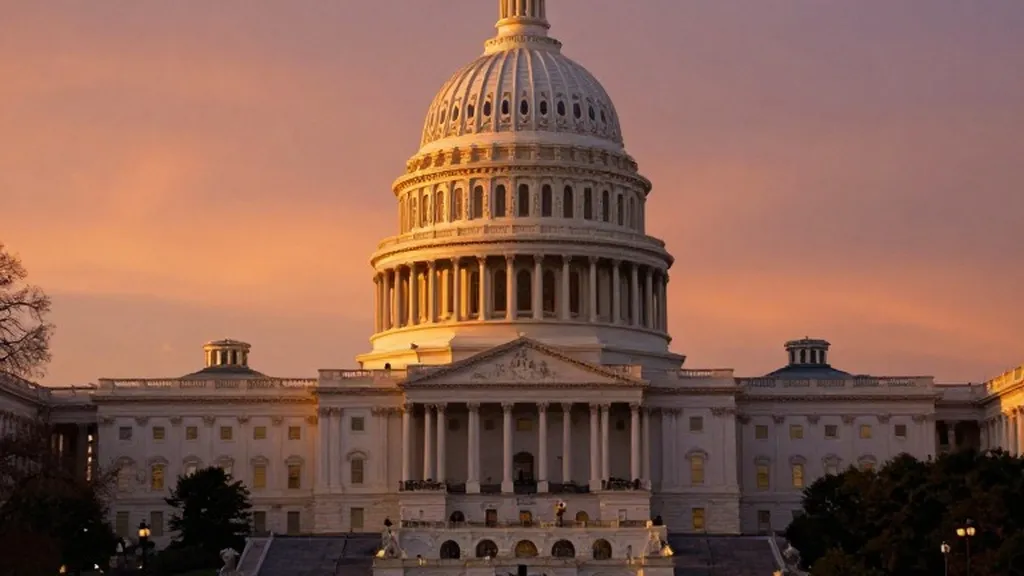
Democrats achieved a decisive victory at the candidate level, securing majorities in both the U.S. House and the Senate. The party picked up at least 43 House seats, including 42 previously held by Republicans and one held by an independent. In the Senate, Democrats gained seven seats, all of which were previously controlled by the Republican majority. This resulted in a projected House majority of at least 250 to 157 and a Senate majority of 54 to 44. These gains were significant, reflecting a strong performance by Democratic candidates across the country. The shift in control was not merely symbolic but represented a substantial change in legislative balance.
The net loss of at least seven U.S. Senate seats for Republicans placed this election in the top 20 percent of historical years for seat swings against a president's party. This threshold is commonly defined as a wave election, indicating a strong voter preference for change. While the House results did not quite meet the specific criteria for a wave, the loss of 42 seats was a significant blow to the Republican majority. Uncalled races could still alter these totals, but the initial results pointed to a clear trend. The scale of the shift underscored the voters' desire for a new direction in federal governance. The results signaled a major realignment in the political landscape.
Democrats also won a plurality of state government trifectas and a majority of governorships for the first time since before the 2010 elections. This success extended beyond the federal level, indicating a broad-based appeal across various regions of the country. The control of state legislatures and governorships provides Democrats with additional leverage in the political process. These victories allow the party to implement state-level policies that align with their national platform. The breadth of the Democratic win suggests a strong organizational and messaging strategy that resonated with a wide range of voters. The state-level results complement the federal victories, creating a more comprehensive picture of the party's strength.
Public opinion polls, including the AP approval poll, provided context for the election results, though they are just one measure of voter sentiment among many. The poll data offered insights into how voters perceived the performance of the incumbent administration and the opposing party's candidates. While polls are not definitive, they help to explain the trends observed in the final results. The approval ratings and voter satisfaction metrics reflected the broader mood of the electorate on Election Day. These surveys are valuable tools for understanding the factors that influenced voter behavior. They provide a snapshot of the political climate at the time of the election.
The election results have immediate implications for the balance of power in Washington. With Democrats now holding majorities in both chambers, they are positioned to advance their legislative agenda. Republicans, while reduced in number, retain a significant presence that will influence committee assignments and negotiations. The new configuration of Congress will shape the policy debates of the coming years. The shift in control also affects the relationship between the legislative and executive branches. The outcomes of the 2026 midterms set the stage for a new phase in American politics, with both parties adapting to the new reality.
The financial and political dynamics of the 2026 election will serve as a reference point for future campaigns. The record spending and significant seat changes indicate a highly competitive and engaged electorate. The role of major donors and the efficiency of campaign strategies will continue to be analyzed. The results of the midterms reflect the priorities of voters, including the economy, border security, and the desire for stable leadership. The election has concluded with a clear shift in power, and the new Congress is ready to begin its work. The legacy of this cycle will be defined by the policies enacted and the governance style adopted by the new leadership.