Senate Math: Republicans Can Lose Only Two Seats to Hold Control
With 35 seats on the line and 13 battlegrounds, the arithmetic of the U.S. Senate hinges on holding key Republican strongholds while Democrats target vulnerable incumbents.
By Rafael Collins ·
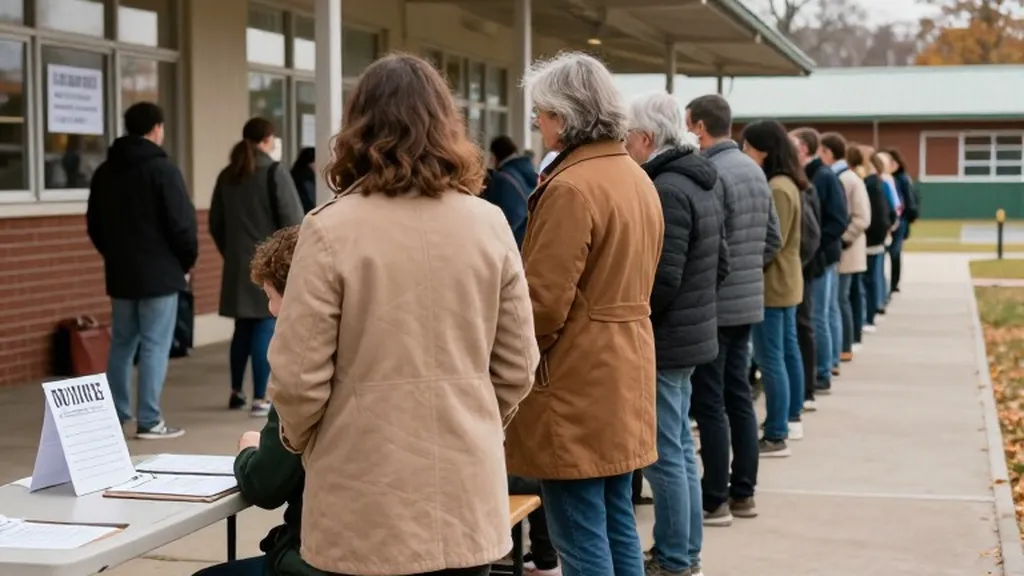
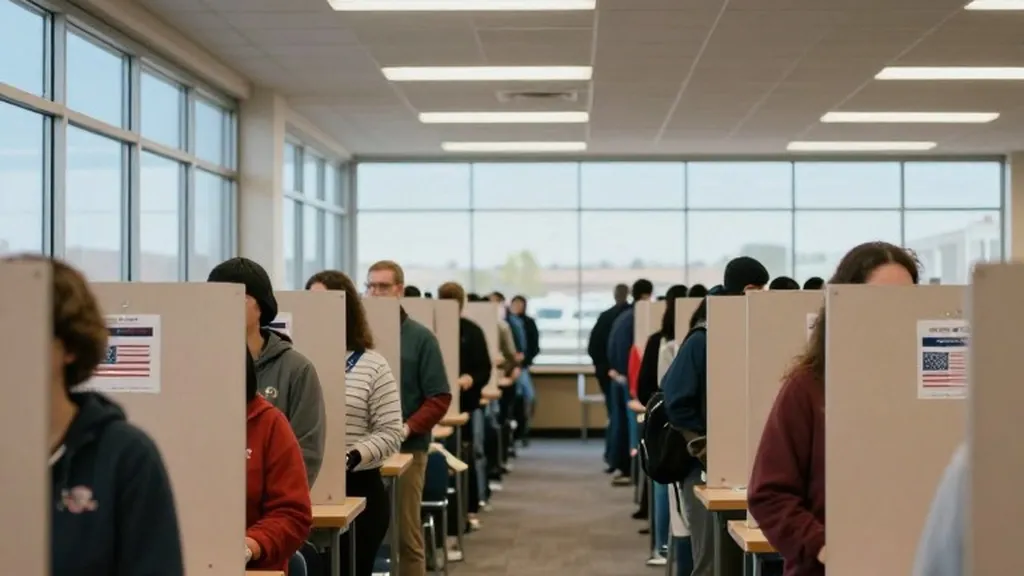
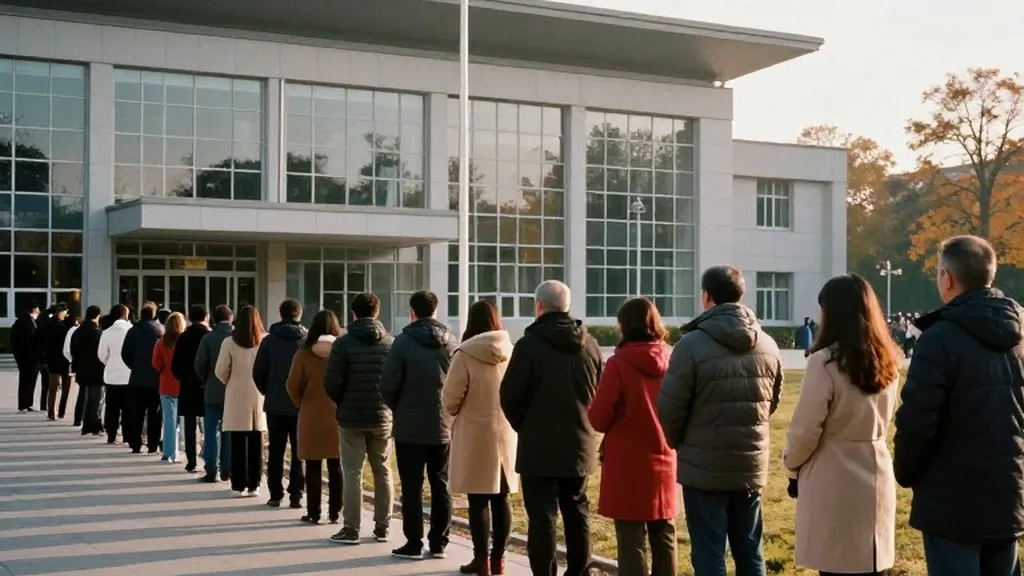
Voters across the United States are casting ballots on Tuesday, November 3, 2026, to determine the balance of power in the U.S. Senate. The election is a critical midterm test of President Donald Trump's second term, with the outcome dictating who controls Congress for his final two years in office. Republicans currently hold 53 Senate seats, while Democrats hold 45, including two independents who caucus with the majority party. The mathematical threshold for control is precise and unforgiving for the incumbent party.
A total of 35 Senate seats are up for election, comprising 33 regular contests and two special elections. The special seats cover the remainder of the terms held by Marco Rubio of Florida and JD Vance of Ohio. Of the seats on the ballot, 20 are held by Republicans and 13 by Democrats. This asymmetry creates a high hurdle for the Republican side, which can afford to lose only two seats to maintain its majority. Conversely, Democrats need a net gain of four seats to secure control of the chamber.
Ballotpedia has identified 13 races as battlegrounds, where the outcome is in genuine play. These contests span the political map, from the rural plains to the industrial Midwest. The ratings for these races, compiled from major political forecasters including the Cook Political Report, Decision Desk, Inside Elections, and the Sabato Center, indicate a tight race for the chamber. One or two seats could tip the balance, making every district and state a critical focus for campaign resources.
Several states are central to the fight for Senate control. Kansas, traditionally a reliable Republican stronghold, has become a focal point due to the competitive nature of the race. In Alaska, the Trump administration filed a lawsuit related to the certification of the Senate result, adding a layer of legal complexity to the contest. The administration's involvement highlights the high stakes of the election, as both parties brace for potential challenges to the final tallies. The AP notes that economic strain and tariffs have made states like Maine competitive, where Democratic voters are expressing discontent with current policy directions.
The AP-NORC poll conducted on election day reveals the mood among voters. Approximately 35 percent of U.S. adults approve of President Trump's job performance, while 25 percent approve of his handling of the economy. About seven in 10 respondents say the country is heading in the wrong direction. Most voters blame the president for high prices, a theme that resonates with Democrats who are cautiously optimistic about their chances. This sentiment contrasts with the Republican strategy, which is bracing to lose the House while fighting to hold the Senate.
Campaign spending patterns reflect the intensity of the competition. The 2026 elections are likely to be the most expensive in history, with Republican committees outraising and outspending their Democratic counterparts. This spending advantage was driven by Trump-affiliated groups and contributions from Elon Musk. However, at the candidate level, Democrats outraised their opponents. An analysis by the AP of AdImpact data shows that 88.1 percent of Republican general election TV ad spending went to states and districts Trump won in 2024, with over $850 million spent in areas where he won by 10 points or more.
Key matchups in the battlegrounds include North Carolina, where former Governor Roy Cooper faces former RNC chair Michael Whatley. In Georgia, Senator Jon Ossoff is challenging Republican Representative Mike Collins. Ohio features a contest between former Senator Sherrod Brown and incumbent Senator Jon Husted. Michigan sees former Representative Mike Rogers against Abdul El-Sayed, with a notable endorsement from El-Sayed's former primary opponent Haley Stevens for Rogers. These races illustrate the deep divisions within the parties and the strategic choices made by candidates to appeal to swing voters.
The administration's actions on election day have drawn attention to procedural issues. A federal judge temporarily barred the Trump administration from carrying out a plan intended to prevent noncitizen voting, a move critics say risks disenfranchising eligible voters. Additionally, a judge ordered the administration to stop demanding that California election officials segregate ballots cast by people on lists of suspected noncitizens. These legal interventions underscore the tension between federal oversight and state authority over elections, a debate that has intensified in the run-up to the vote.
Voters are also deciding on 36 governorships, with Democrats defending five offices in states Trump won in 2024. The AP describes the election as a referendum on the president's second term, with voters struggling with high prices and anger over an unpopular war with Iran. More than 57 million people had already voted as of Monday, surpassing early vote totals from four years ago in many closely watched states. This high level of early participation suggests a robust turnout, which is critical for both parties. RNC Chairman Joe Gruters emphasized that everything depends on turnout, stating that if Republicans turn out their voters, they will win.
The outcome of the Senate race will have immediate implications for the legislative agenda. If Democrats win even one chamber, investigations and possible impeachment proceedings become likely. House Democratic Leader Hakeem Jeffries, who would become the first Black speaker if his party takes the House, has outlined a 100-day agenda focused on the cost of living and oversight. A strong Democratic night would also boost potential 2028 presidential candidates, including Gavin Newsom, JB Pritzker, and Pete Buttigieg. Republicans are trying to break the historical midterm pattern where a president's party almost always loses seats, but new district maps in states like Florida and Texas may not vote as drawn.