Tesla Shifts to Mass Production of Optimus Robots
The automaker has begun rolling out its first commercial-grade humanoid robots from a newly converted Fremont line and is developing a training program to prepare them for widespread industrial use.
By Jonathan Ramirez ·
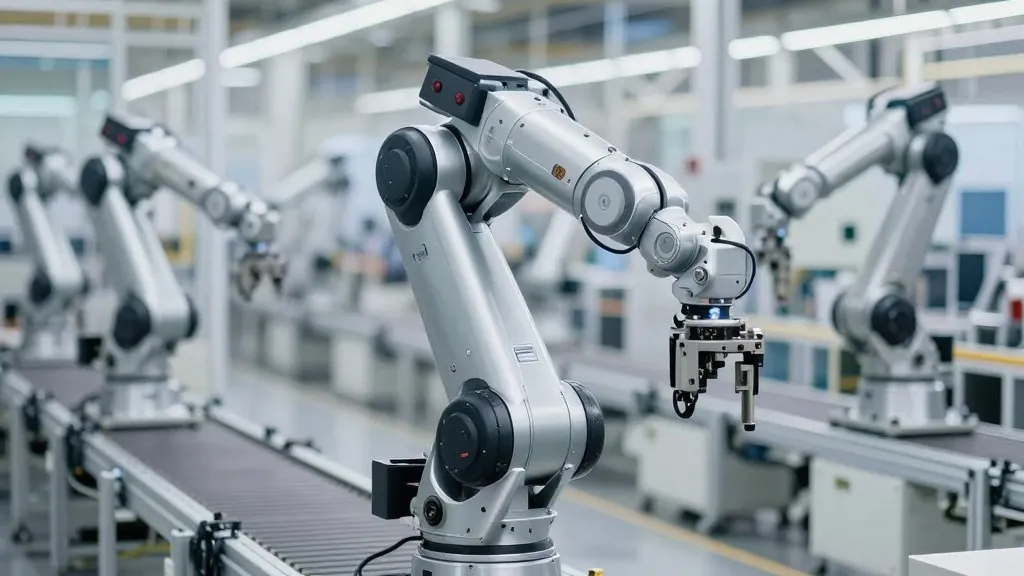
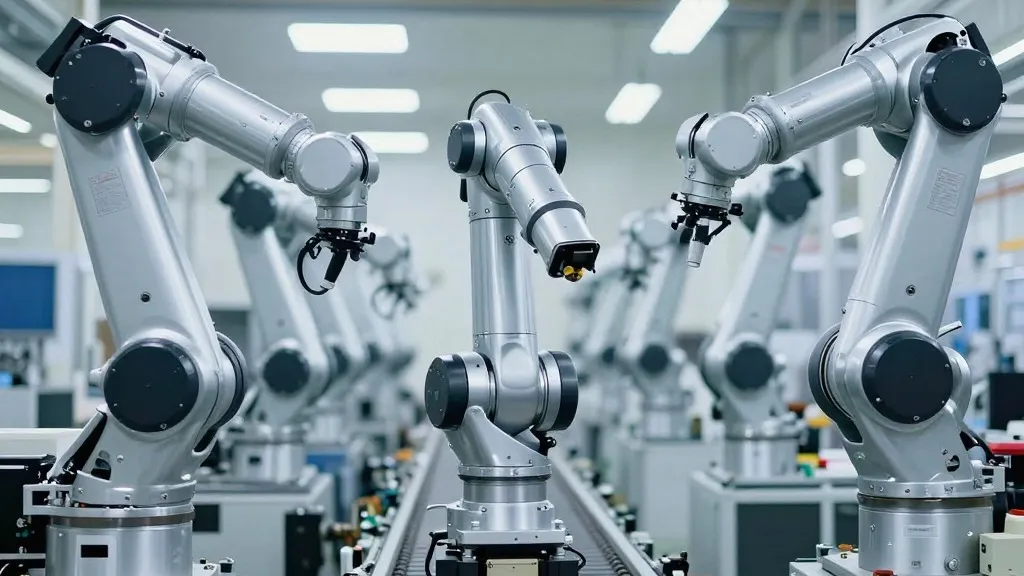
Tesla has officially commenced high volume manufacturing of its Optimus humanoid robot on a dedicated production line within its Fremont factory. The company asserts that the units leaving this new assembly line represent the first true production quality models in its history. In its third quarter shareholder letter, Tesla stated that these robots meet the necessary standards for a real commercial product. The automaker further confirmed that the current manufacturing process has been proven suitable for large scale production.
The dedicated line occupies the same physical space that previously housed the Model S and Model X vehicle production. Tesla cleared out the old car assembly equipment in just 46 days this spring to make way for the new robot facility. The site is currently designed with a capacity for one million units per year. During Wednesday’s earnings call, CEO Elon Musk noted that most of the heavy equipment required for that massive capacity is already installed on site. He indicated that output is set to increase significantly as the line ramps up, with a goal of producing roughly 20,000 robots every week.
Musk characterized the production increase as following a classic S curve trajectory. He explained that the initial growth phase would be a shallow slope before accelerating. The engineering team is currently focused on refining the robot’s artificial intelligence, electromechanical design, reliability, and overall service life. Tesla expects to complete these refinement efforts by the end of next year. At that point, the company plans to begin delivering Optimus units to external companies for roles that involve dangerous, repetitive, and around the clock work.
A key challenge for the company is how to teach the robots to perform effectively. While Tesla’s automotive division benefits from a vast fleet of cars sending real world driving data back to engineers, Optimus does not yet have a comparable fleet. Musk highlighted this disparity, noting that the company lacks the large data pool available from millions of vehicles on the road. To solve this, Tesla is establishing what it calls the Optimus Academy. This program will utilize between 10,000 and 20,000 robots to practice a wide variety of tasks. The data generated by these units will be used to train and improve the next version of the AI model. Every single robot produced on the Fremont line will serve as a source for this essential training data.
Hardware improvements are also on the horizon. Tesla intends to integrate its AI5 chip into the Optimus platform next year. Musk stated that a new video demonstration of the robot is expected to arrive within one or two months. This upcoming showcase will feature the robot completing tasks driven by artificial intelligence rather than relying on preprogrammed motion sequences. He also took aim at rival humanoid demonstrations that utilize scripted routines, arguing that those methods would not hold up in real world conditions.
The supply chain is actively aligning with the program’s expansion. In September, Tesla certified three partners for mass production of Optimus components. These partners include Tuopu, Joyson, and Sanhua. Meanwhile, construction is underway on a much larger Optimus facility at Giga Texas. Recent drone footage captured by Joe Tegtmeyer shows the steel frame of that plant nearing completion. Musk has identified that new site as the long term target for producing 10 million robots annually.
Executives indicated that Optimus production costs are trending toward the expected manufacturing cost of the Cybercab vehicle. This suggests the robot is being engineered for high volume efficiency from the initial design stage. However, the design of the robot’s hands remains the most difficult component. Musk reiterated this point during the X Takeover event earlier this month. The company is currently directing a significant portion of its engineering resources toward solving the challenges associated with the hand design.
The shift to mass production marks a major milestone for Tesla’s robotics division. By leveraging its automotive manufacturing expertise, the company aims to bring a general purpose robot to market. The combination of improved hardware, a robust training program, and a scaling supply chain positions Tesla to enter the competitive humanoid robot market with a focus on industrial applications.
More Business · Bad Business · Report a business · Got a Story?