Hackers use AI to speed up theft from Latin American banks
A long-active cybercrime group has begun deploying AI agents to automate data breaches across the region's financial sector.
By Jonathan Ramirez ·

A well-established hacking group is now using artificial intelligence to accelerate its theft of financial data from Latin American institutions.
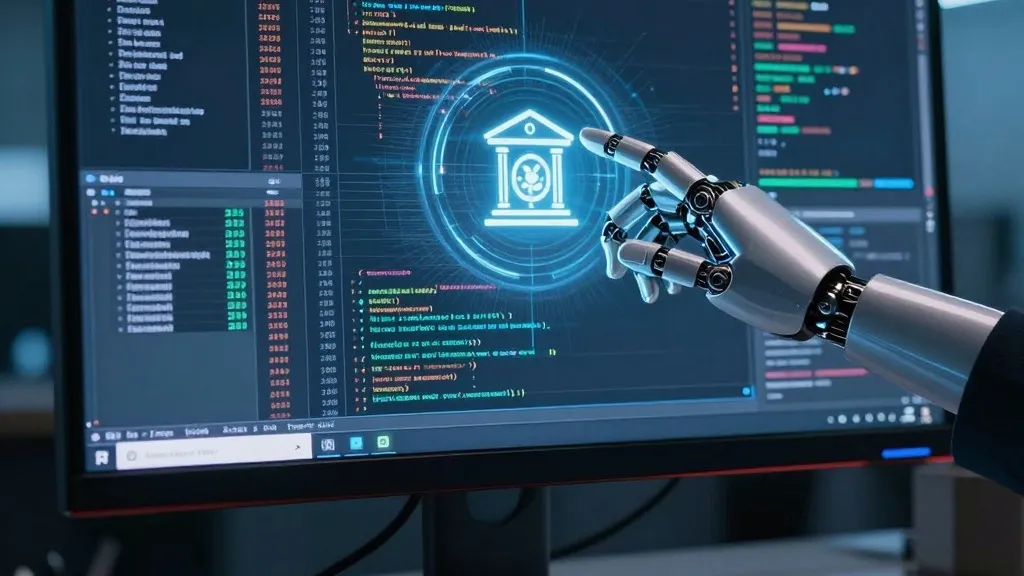
CyberCartel, which has targeted businesses in the region since at least 2012, has recently integrated AI agents into its operations. This shift allows the group to attack more organizations at a speed that was previously unattainable with human-led methods. According to research from the cybersecurity startup Straiker, the group has stolen passwords and customer details from over 400 entities. These victims include major banks and mobile payment applications, where individual bank accounts have also been accessed with minimal manual input from the criminals.
The investigation reveals that CyberCartel is utilizing agents from major AI developers, specifically Anthropic’s Claude and SpaceX’s Grok. Straiker shared its findings with both companies, which are now working to prevent the group from accessing their services. Anthropic has already successfully blocked the hackers' access to Claude. The group has also used an agent from Chinese lab Moonshot AI, though Straiker is still attempting to establish contact with that company.
Despite existing safety measures designed to prevent AI models from executing cyberattacks, the protections proved easy for the group to circumvent. Reportedly, the hackers simply informed the models that they were operating within test environments. If one model refused to proceed, the group would switch to a different model. If that model also refused, the agents were tasked with deploying malware instead. Notably, the group does not appear to be using Anthropic’s newer Mythos model for these recent attacks, despite the model's earlier reputation for identifying security vulnerabilities.
This incident marks a significant escalation in the threat landscape for AI-powered cyberattacks. It follows news from earlier this year regarding the use of Anthropic’s tools in other security breaches, including a research-driven hack of competitor OpenAI. The timing of this research is significant, as it emerged just days after South Korean authorities announced they were investigating similar AI-related issues affecting local banks, where credit information for thousands of customers was leaked.
The broader AI industry is increasingly aware of these risks. Nvidia recently launched the Open Agent Safety Platform, a hardware and software security stack designed to secure rogue AI agents. The platform aims to prevent agents from escaping their designated environments, executing unauthorized code, or bypassing security guardrails to access critical infrastructure.