Tesla Narrows Unsupervised FSD Launch to Q2 2027 Robotaxi Zones
The automator has set a new timeline for driverless capability in customer vehicles, though the feature will remain limited to specific metropolitan areas under Tesla’s management.
By Rafael Collins ·
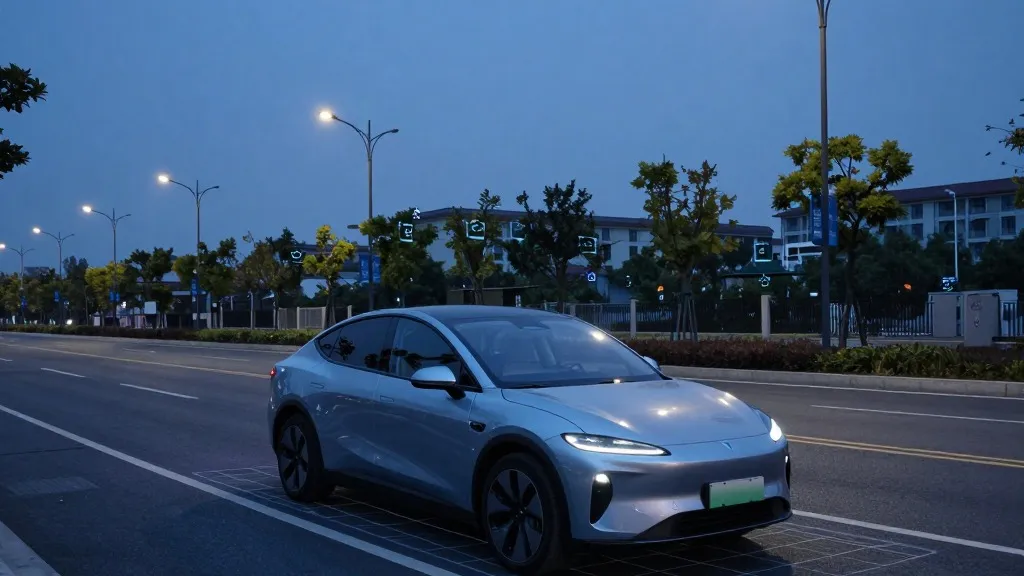
Tesla has established a target date of the second quarter of 2027 for the introduction of unsupervised Full Self-Driving (FSD) in customer-owned vehicles, marking the latest revision to a timeline that has shifted repeatedly over the past decade. During the company’s Q3 2026 earnings call, the announcement provided clarity on a specific date but introduced significant operational constraints that differ from previous marketing narratives. The update was delivered by Ashok Elluswamy, Tesla’s AI chief, who addressed a question from retail shareholders representing approximately 1.1 million shares regarding the anticipated availability of the technology.
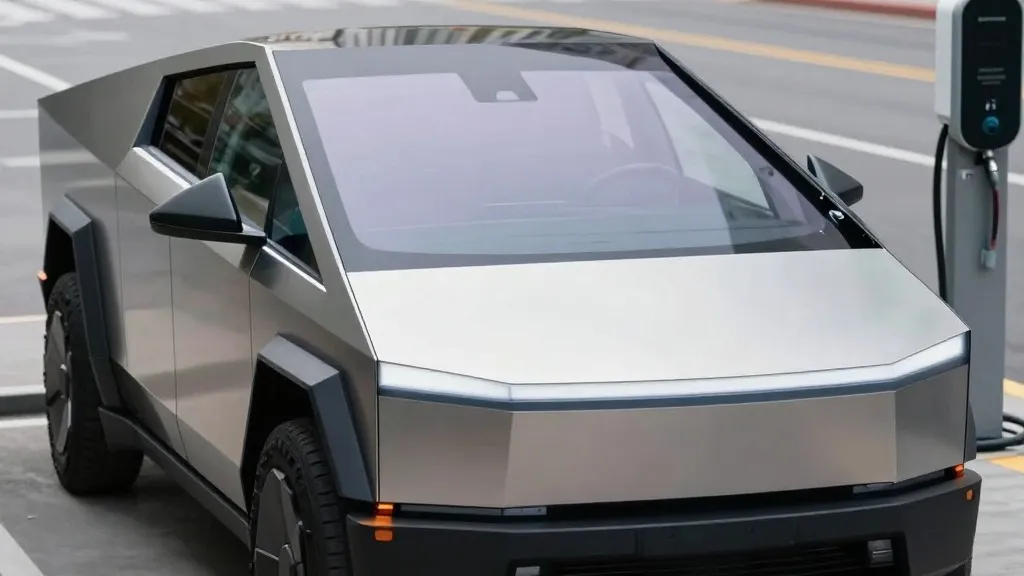
The critical distinction in this new timeline is that the unsupervised capability will not function as a universal software update allowing owners to travel anywhere in their personal vehicles. Instead, Elluswamy described the system as allowing owners to add their cars to Tesla’s managed Robotaxi fleet. This means the autonomous driving function will only be active within the specific geofenced zones where Tesla’s Robotaxi service currently operates. Outside of these designated areas, the cars will not drive themselves without supervision, effectively narrowing the utility of the feature for the general consumer base.
Currently, Tesla’s Robotaxi service operates in six U.S. metropolitan areas, though the actual service footprints are relatively small slices of these cities. In Miami, the operational zone covers primarily West Miami and a corridor extending toward Doral and Sweetwater. Similar limited geofences were established in Orlando and Tampa, which launched in July of this year. The service within these zones is largely restricted to low-speed routes, avoiding highways and complex urban environments to maintain safety margins.
Regulatory hurdles remain a significant factor in the rollout strategy. In the Bay Area, for instance, the service is not yet fully unsupervised. California regulations mandate a safety driver in every vehicle because Tesla has not yet released the necessary data to the state DMV to be classified as a system beyond level 2 autonomy. This regulatory status affects the timeline and scope of the unsupervised launch, as the company navigates state-specific requirements for autonomous deployment.
The scale of the current autonomous fleet is modest compared to earlier projections. Tesla reported that its Robotaxi program reached nearly 2 million cumulative unsupervised miles by the end of Q3, a milestone achieved shortly after the Cybercab model joined the fleet in Austin. However, third-party tracking data from earlier this year indicated that the number of fully driverless Teslas on the road numbered in the dozens, a figure far below the hundreds of thousands previously discussed by Elon Musk. Competitor Waymo, which was present in both Orlando and Tampa before Tesla’s entry, has already logged over 3 million autonomous miles.
This latest development contrasts with the long-standing pitch to FSD buyers, who were led to believe that a software update would eventually enable their cars to drive themselves anywhere. In July 2025, Musk told investors that unsupervised FSD would be available for personal use in certain geographies by the end of that year. He had previously expressed surprise if the technology were not available the following year. Owners of vehicles with the HW3 computer have already been informed that their hardware cannot support unsupervised FSD, with no clear upgrade path currently defined.
The current plan represents a narrower product offering: vehicles join Tesla’s fleet, operate in Tesla’s zones, and adhere to Tesla’s operational terms. Elluswamy noted that safety remains the primary bottleneck, which is why the system is currently limited to lower-speed roads and simpler environments. He estimated that these safety issues could be resolved by next year, though he acknowledged uncertainty regarding the precise timeline. The shift moves the focus from a universal personal driving assistant to a managed fleet service within controlled boundaries.
More Business · Bad Business · Report a business · Got a Story?