Gaza residents wait for Israeli election with mixed feelings
Voters in the territory follow the Tuesday ballot with anxiety over the Yellow Line and displacement, despite a ceasefire in place since last October.
By Kaito Sokolov ·
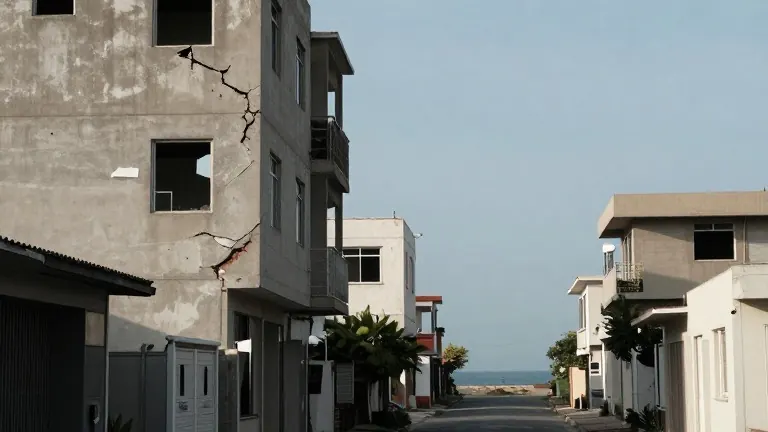
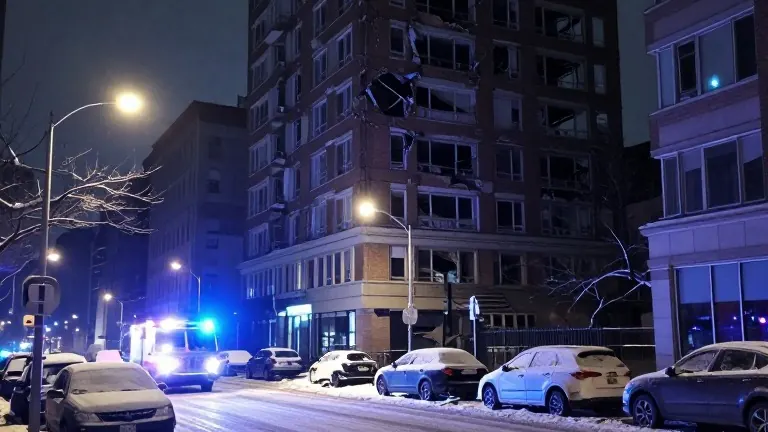
More than 80 percent of buildings in Gaza are damaged, with about two-thirds of those structures completely destroyed, according to residents tracking the upcoming Israeli election.
The vote is scheduled for Tuesday. A ceasefire has held in the territory since October 2025, but locals report near-daily airstrikes and shortages of basic goods. The election has been shaped by the war, with Prime Minister Benjamin Netanyahu facing criticism for his security handling before the attacks of October 7, 2023. His far-right allies have pushed for tougher measures, including expelling the Gaza population.
Key points from residents include the following concerns. First, the physical control of land drives daily life. Israel currently controls about 65 percent of Gaza inside a designated zone known as the Yellow Line. Mousa Ali, 33, a father of four displaced from Beit Lahiya, said the election is critical because of this line. He hopes displaced people can return to areas beyond it. He named Gadi Eisenkot, a former military commander, as a possible alternative to Netanyahu. Ali believes a Netanyahu win would prolong displacement and Israeli control.
Second, residents fear that political changes will not alter the status quo quickly. Islam Salem, 41, a father of three from Beit Lahiya, argued that elections mainly serve Israeli interests. He doubted that reconstruction would begin soon. He said, 'We live day by day. Everything we feared has already happened.' Hanan Abu al-Maaza, 57, has been displaced more than 12 times during the war. She said she dreads worse treatment from the next government. If Netanyahu loses, she believes there is a better chance she could return to her home in Beit Lahiya. She stated, 'We have had enough of war and destruction. There is nothing left to destroy, yet the suffering continues.'
Third, some residents see a specific rival as the best option for stability. Mohammed Eliyan, 36, lives in Deir el-Balah with his five children after being displaced from the Jabalia refugee camp. He hopes Eisenkot will win. He fears another term for Netanyahu's Likud party would mean more war. Eliyan said, 'They are still our enemy, and I don't expect things to improve dramatically,' adding that he hopes the next leader might be less harsh. Manar Owaida, 23, from northern Gaza, also hopes Eisenkot replaces Netanyahu. She considers the current prime minister more extreme. She said a new government might ease the blockade and withdraw from areas beyond the Yellow Line. Her biggest fear is that Netanyahu could start a wider regional war to relieve domestic pressure.
The residents shared a common appeal for the next Israeli leader to end the war and stop the bloodshed. Mousa Ali said, 'We hope this policy will end and that a new prime minister will stop this ongoing bloodshed.'
The election takes place as residents manage daily life under the current conditions. The territory remains under a siege that limits basic goods. The outcome will determine the direction of Israeli policy regarding the Yellow Line and the potential for reconstruction in the damaged areas.