Iraqi PM Zaidi probes Maysan leader over Iran border dispute
The investigation follows a 72-hour deadline set by provincial leaders to reopen the Sheeb border crossing with Iran, a move that has halted trade in the Shiite-majority province.
By Jonathan Ramirez ·
Iraqi Prime Minister Ali al-Zaidi ordered an investigation on Monday into Mustafa Daeer Mohammedawi, the head of Maysan's provincial council. The move responds to Mohammedawi's warning that the province would shut down main roads if the Sheeb border crossing with Iran did not reopen by Thursday.
The Sheeb crossing, known as Chazabeh on the Iranian side, is a critical commercial artery. Baghdad closed the site last Wednesday, citing a need for improved technical and logistical infrastructure. Haidar al-Aboudi, the government spokesperson, stated the location lacked necessary technological preparations. An Iraqi border official told Reuters that the closure allows authorities to review security arrangements and install detection equipment to stop smuggling of prohibited materials.
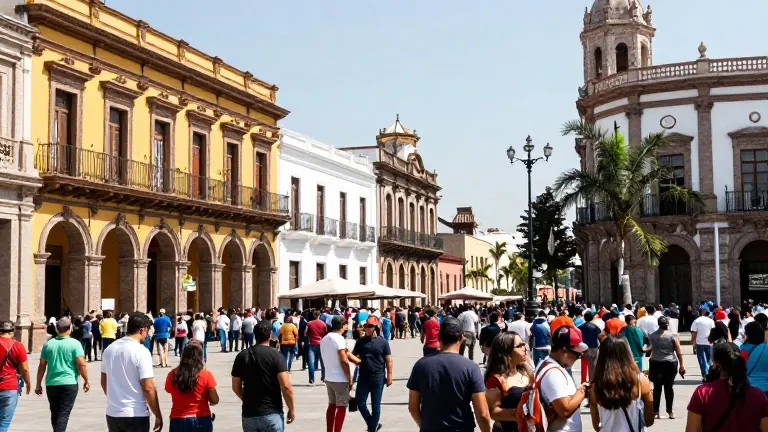
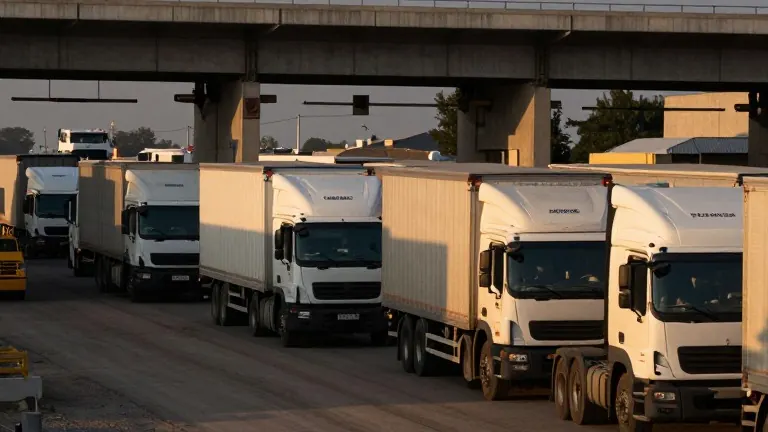
Mohammedawi issued his ultimatum on Sunday. He said that if the crossing remained closed, people in Maysan would be forced to resort to civil disobedience on all roads. He added that the province could effectively be cut off from the rest of the country. Rudaw reported that protesters, including truck drivers who rely on cross-border trade, gathered near the closed gate. The pressure comes as Maysan, a Shiite-majority province, depends on Amarah, its capital, as a commercial hub near the Iranian border.
The closure has strained relations between Baghdad and Tehran. Abdul Amir Hassan Ali al-Taiban, an adviser to the prime minister, claimed drugs and currency were entering southern Iraq through Iranian crossings. He pointed to uncontrolled groups, a term often used for Iranian-backed militias, as the cause. Iran's embassy in Baghdad rejected these allegations on Saturday, calling them false. The embassy urged Iraqi authorities to respond to statements that could harm bilateral relations.
Legal questions have emerged regarding the prime minister's authority. Mohammed Jassim al-Khafaji, a lawmaker, argued that Zaidi lacks the legal power to investigate an elected council chairman. He maintained that only the provincial council can remove its chairman by majority vote. The investigation adds a new layer of tension to an already fragile political environment.
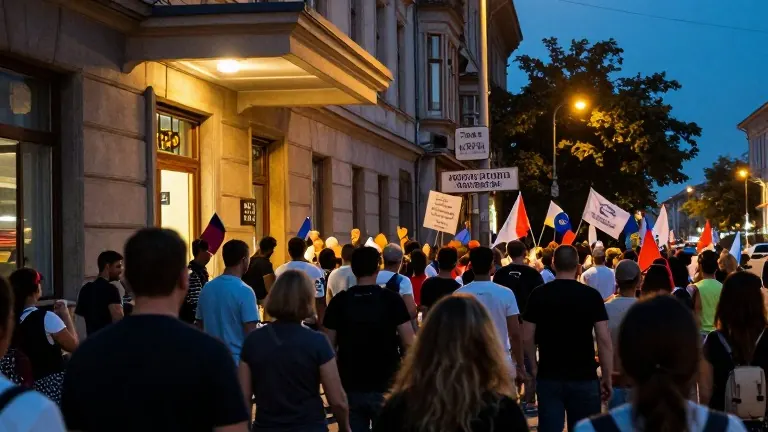
In Baghdad, the capital, renewed street protests marked the anniversary of the 2019 Tishreen movement on October 25. Shafaq News reported that participants waved Iraqi flags and demanded political and economic reforms. The demonstrations were driven largely by young Shiite Iraqis frustrated by corruption, unemployment, and poor services. Protesters also opposed the muhasasa system, which distributes positions and resources based on sectarian quotas.
Rights organizations cited by Rudaw stated that more than 600 protesters were killed during the 2019 movement. About 20,000 people were injured and around 3,000 were arrested. Iranian-backed groups suppressed the earlier protests, with the Badr Organization among those accused of a role. Hadi al-Amiri, the Badr leader and a senior figure in the Shiite-led Coordination Framework, defended those groups in late August. He called the protests sedition and said the Islamic Resistance in Iraq had helped preserve the political order.
Muntadhar al-Zaidi, an activist and journalist quoted by Shafaq News, called for justice over the killings. He criticized the concentration of political power and the misuse of public wealth. The National House party, linked to the Tishreen movement, called for peaceful demonstrations. The party renewed demands to end corruption, reform the political system, and bring weapons under state control.
The Islamic Resistance in Iraq, an umbrella of pro-Iran armed groups, has accused the government of yielding to Washington's demands regarding border crossings and flights involving Iran. The prime minister now faces the task of securing borders and answering public demands while managing these competing political and armed factions.