Trump Signs Final Beam of White House Ballroom as GOP Faces Congressional Losses
The president skipped scheduled events to inspect the construction site, offering a rationale for the project while Republican candidates lost Senate seats in key states.
By Rafael Collins ·
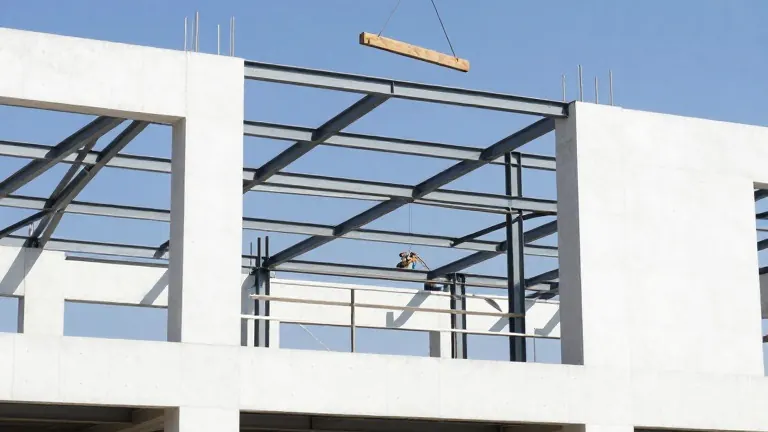
President Donald Trump stood inside the new White House ballroom site on Wednesday to address reporters, focusing his remarks on the construction project rather than the immediate aftermath of the midterm elections. He described the structure as unique, telling the group that it had been a building like no other seen anywhere. The president presided over the installation of the final beam, which he stated he would sign to mark the occasion.
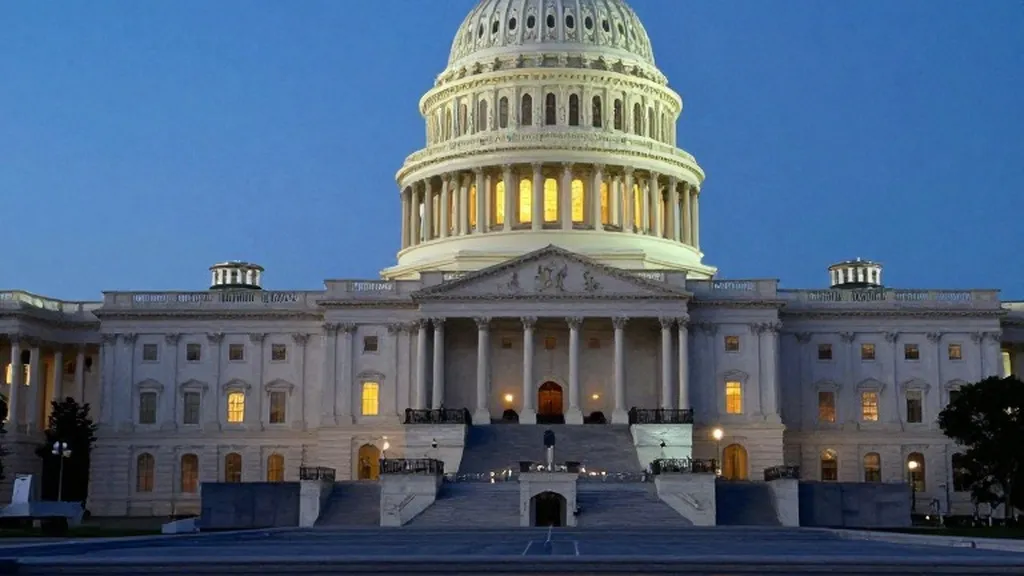
Trump had no public events on his calendar for Wednesday before calling the press conference at the last minute. The timing placed him at the center of attention just days after voters elected a Democratic majority in Congress. This shift in control marked a sharp reversal for the Republican Party, which had held key legislative positions.
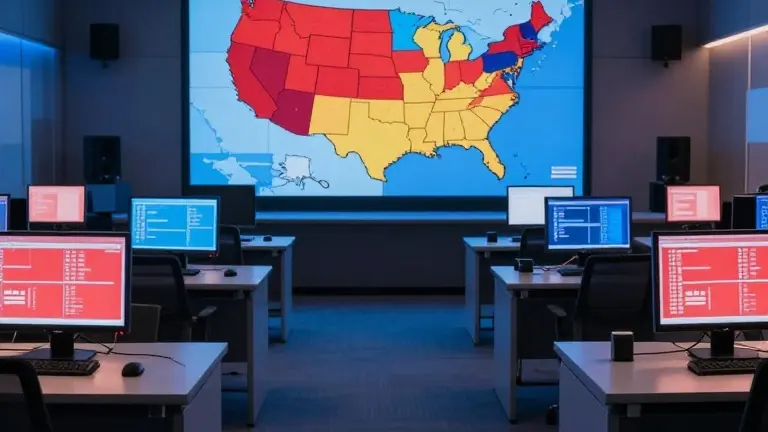
The election results showed a widespread defeat for Trump’s allies. Democrats won Senate races in states that had not elected a Democratic senator since 1932, including South Carolina and Kansas. In Texas, Democrats secured victories in statewide races for the first time in more than three decades. The loss in Texas included the defeat of incumbent Senator John Cornyn and Governor Greg Abbott, a close Trump ally.
Polling data released around the election suggests that many voters viewed the president as a factor in the outcome. Approximately two-thirds of voters said Trump did not have the right priorities, and the vast majority of those voters supported Democratic House candidates. In losing states such as Ohio, Iowa, Maine, and North Carolina, majorities of voters indicated that the Republican Senate candidates were too supportive of the president.
Trump has sought to distance himself from the defeat since Tuesday. In comments to Fox News on election night, he said he did not like to consider the results a personal defeat because his name was not on the ballot. He characterized the vote as a rejection of the specific candidates rather than a rebuke of his leadership. On his social media platform, he claimed that he would have won in a landslide if he had been running.
The president’s approach mirrors his behavior during the 2018 midterms, when he blamed defeated members of his own party for losing. He cited examples such as Utah Representative Mia Love, saying she gave him no love before losing her seat. He used similar language regarding other defeated lawmakers from Florida, Colorado, Virginia, and Illinois, noting that their names were not on the ballot.
An analysis of Trump’s public appearances since September 1 showed he urged voters to treat him as if he were on the ballot in 30 of 39 speeches. In some addresses, he repeated this request multiple times, totaling at least 40 instances of the appeal. This strategy contrasts with the traditional practice of presidents acknowledging responsibility for midterm losses.
Previous presidents have publicly accepted blame after similar defeats. Barack Obama described the 2010 Republican gains as a shellacking, while George W. Bush called the 2006 Democratic victories a thumping. Trump, however, began laying the groundwork for deflection before voting took place. In August, he told Punchbowl News that voters were angry at Republicans but not at him.
The president also posted on social media that the loss of Texas Senate candidate Ken Paxton would be due to ineffective political figures like Cornyn and Karl Rove. He had previously endorsed Paxton over Cornyn in the primary. Trump also suggested that Governor Abbott lost because he became a Republican in Name Only during the final six months of the campaign.
Despite past claims of widespread fraud, Trump has not leveled accusations of cheating in the immediate aftermath of this election. He maintained this restraint even after predicting that Democrats in Ohio and Minnesota could only win by rigging the process. Both states voted for Democratic candidates for governor and Senate. Trump’s vice president, JD Vance, wrote on Wednesday that the reason for the party’s loss was the war in Iran.