Trump's war and missed calls drove GOP to historic midterm losses
Interviews with party insiders reveal how an optimistic strategy collapsed after the Iran conflict and gas prices hit $4.
By Kaito Sokolov ·
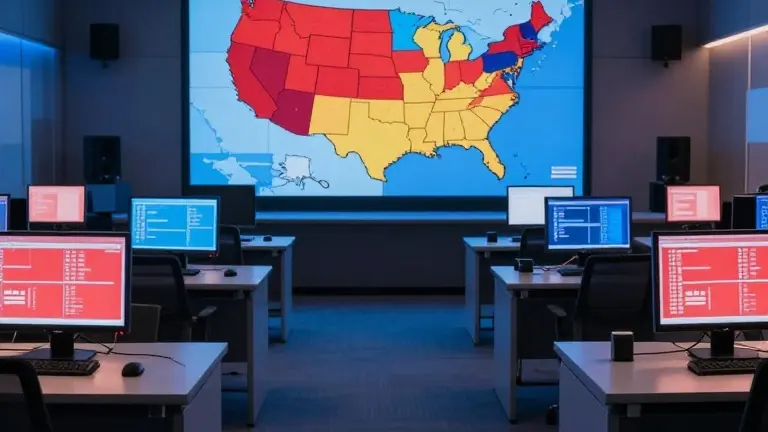
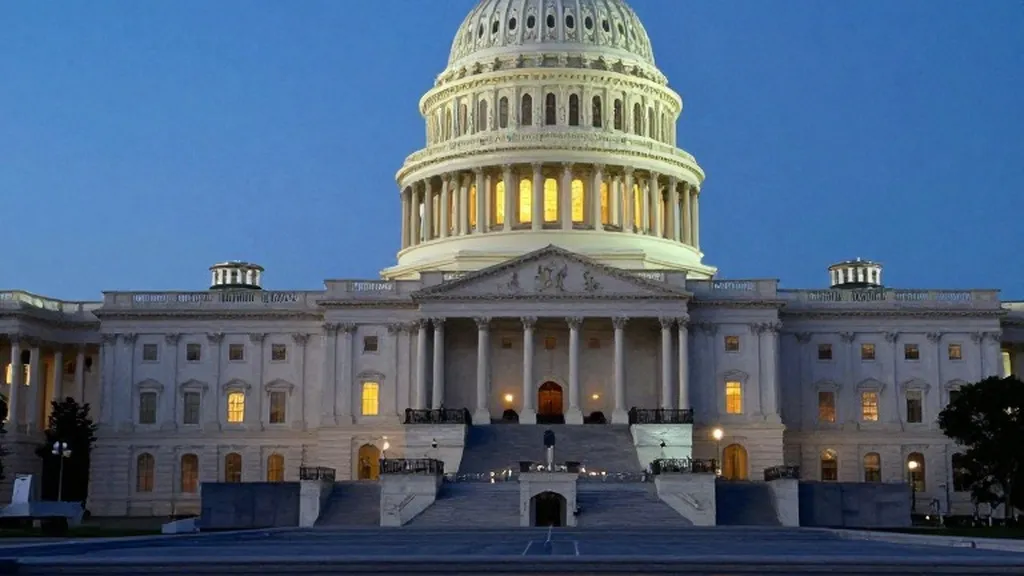
The 2026 midterm elections ended in a sweeping defeat for the Republican Party. House Republicans lost control of the chamber, with Democrats likely securing more than 240 seats. The Senate also flipped to Democratic control, a result driven by losses in traditionally red states including Kansas, Iowa, and South Carolina. These results mark a sharp reversal for a party that entered the cycle confident in its ability to hold power.
President Donald Trump spent the final weeks of the campaign traveling the country to rally support. He visited blood-red districts that he had easily won in 2024. During a private exchange with a close associate in mid-October, Trump asked, "How did we get here?" A person familiar with the conversation described the monthlong tour as a "sh*t-ton of travel." The president's questions reflected a party that had struggled to combat falling support for months.
The primary catalyst for the loss was the war with Iran. Trump launched a surprise attack on the nation, aiming to collapse its regime. The offensive instead hardened Iran's resolve and halted oil flow through the Strait of Hormuz. This triggered a global energy crisis. Gas prices rose to $4 per gallon and continued climbing. Trump and his aides initially downplayed the impact, predicting a four-to-six week conflict. That timeline proved inaccurate as the war dragged on through the summer.
The economic fallout eroded Trump's approval ratings. Voters who had supported his plan to lower costs on day one turned against his leadership. A Texas-based GOP operative noted, "People are so mad. And Trump hasn't done anything to help any of that." The party's strategy had relied on a disciplined economic message. That message dissolved as the war dominated the political conversation and the June ceasefire collapsed.
Party officials had prepared for a manageable election. James Blair, a top Trump political aide, orchestrated a redistricting plan to shrink the number of competitive seats. Susie Wiles, the chief of staff, described the plan as putting Trump "on the ballot" in December 2025. Aides believed the economy was resilient and inflation was easing. They expected to defend only a handful of seats in the Senate. The optimistic strategy assumed a stable coalition of MAGA voters.
The war rendered that preparation obsolete. Trump spent significant time overseeing construction projects in Washington, which many allies viewed as vanity projects. He dismissed affordability concerns as a "hoax" during a September rally in North Carolina. He insisted gas prices would soon plummet. He also embraced the artificial intelligence sector despite polls showing bipartisan skepticism. His comments forced aides to scramble to clarify his position on voter priorities.
Many Republican candidates faced a difficult choice in the final stretch. Some privately calculated whether to break with Trump on the war or tariffs. Most declined to do so, fearing it would damage their standing with the MAGA base. They hoped his ardent supporters would pull them across the finish line. The White House rejected the idea that Trump bore responsibility for the losses. An official stated, "President Trump did a better job promoting many of the candidates on the ballot than the candidates did themselves."
The aftermath leaves the party in a state of discord. Republicans are now grappling with the results of a campaign that failed to meet even low expectations. The party faces a final two years of Trump's term with a Democratic Congress. This setup threatens to halt his legislative agenda and invite further investigations. The party is now sifting through the rubble of a midterm cycle that ended in a stunning rebuke.