Federal Agents Deploy to Monitor Midterm Vote as Legal Battles Loom
The Justice Department sent 1,000 monitors to all 50 states, a move critics say departs from long-standing norms of independent observation.
By Jonathan Ramirez ·
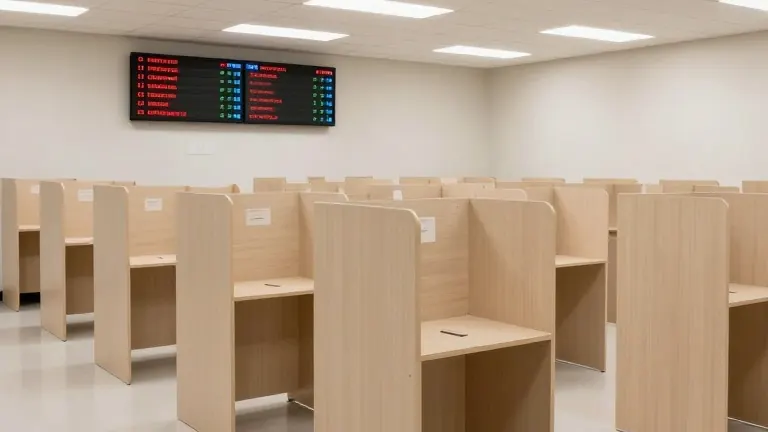
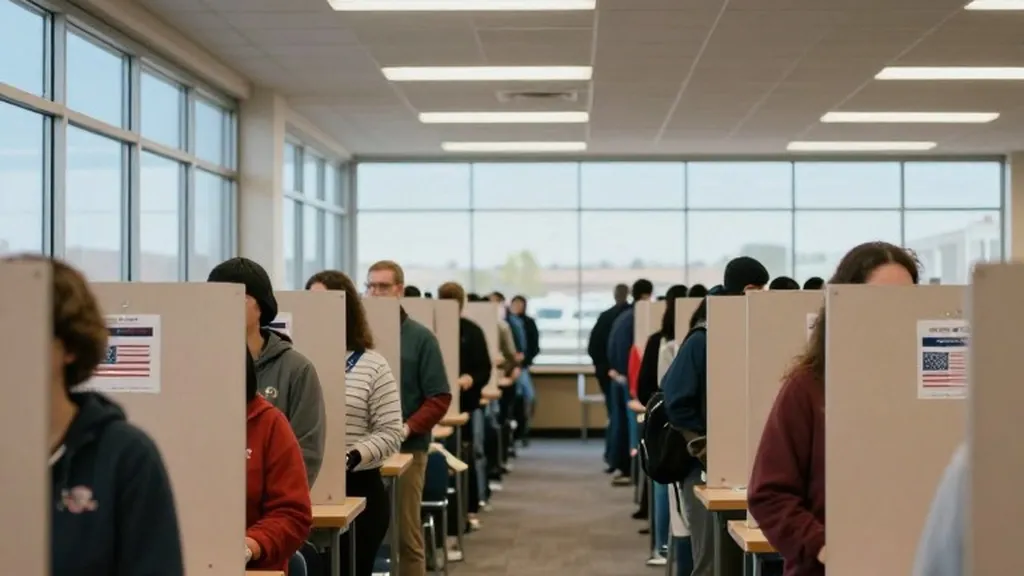
Voters across the United States cast ballots on Tuesday, November 3, 2026.
State election officials entered the day on heightened alert. They prepared for potential federal intervention by the Trump administration. The White House has sought greater control over the process. Fears centered on disruptions to voting, challenges to ballot counts, and attempts to block certification of results that do not favor the president.
President Donald Trump has frequently questioned the integrity of American elections. He specifically cited his 2020 loss to Joe Biden. He urged his party to nationalize voting in at least 15 jurisdictions. The Constitution grants states primary authority to organize elections. The president holds no direct operational role. Courts have rejected most of the administration’s legal challenges to voting procedures. The White House maintains that it is protecting election security.
A major point of contention involves voter eligibility. The Justice Department requested voter registration data from all 50 states. It sued 30 states and the District of Columbia to obtain their lists. The department stated it needed the data to identify non-citizens. It lost more than two dozen of those cases. The department also sought to set aside ballots from approximately 20,000 people in California and over 400 in Washington state. The Supreme Court rejected that request. Washington state refused to comply with the order.
Research indicates non-citizen voting is exceptionally rare. Offenders risk fines, imprisonment, or deportation. The Heritage Foundation’s database lists 100 instances of non-citizens voting between 1982 and 2025. That number represents roughly 0.000008 percent of the more than 1.3 billion votes cast in presidential elections during that period. The Justice Department warned officials in every state that they could face prosecution for knowingly allowing non-citizens to vote. Trump offered $1 million for information leading to a voter fraud conviction.
The Justice Department deployed around 1,000 election monitors to all 50 states. This marks its largest deployment ever. The administration broke with two decades of precedent by excluding observers from the Organization for Security and Co-operation in Europe. Election integrity experts, human rights groups, and Democratic lawmakers criticized the move. Democrats noted that only Russia and Belarus among OSCE members also reject independent observers. The department stated its monitors would be unarmed, barred from interfering with voting, and drawn from neither the FBI nor Immigration and Customs Enforcement.
Homeland Security Secretary Markwayne Mullin said ICE agents could serve warrants at voting centers. Trump declined to rule out declaring a national emergency or invoking the Insurrection Act. A Civil War-era law bars troops and armed federal agents from polling places. Legal experts stated an emergency declaration would not grant the president power over elections.
Federal agents could seek warrants or subpoenas for ballots, voting machines, or records. Such actions could disrupt the count. In January, the FBI seized ballots and other records from Fulton County, Georgia. State officials warned that similar action during an active count could undermine tracking safeguards. The Supreme Court ruled in June that states may count mail ballots postmarked by election day even if they arrive later.
The Justice Department sued Alaska to delay certification of its Senate race. It cited a second candidate named Dan Sullivan who it said was trying to confuse voters. The incumbent Republican, Dan Sullivan, denies the allegation. Trump said he ordered the lawsuit. Experts noted federal law does not allow the department to block certification. Courts can compel officials to carry out the process, though unresolved disputes could delay the seating of newly elected lawmakers in January.
Democratic leaders and allies spent weeks planning for more than 150 scenarios of federal interference. They focused on countering administration moves in the days following the vote. Citizens for Responsibility and Ethics in Washington prepared legal roadblocks with voting rights groups including the ACLU and Democracy Forward. Courts have repeatedly upheld state authority over elections.
More Politics · World news · Report a business · Got a Story?