Tesla Pivots to Fleet-Generated Maps to Solve FSD Speed Limit Failures
The automaker is developing internal cartography tools to address persistent navigation errors in its autonomous software, marking a significant departure from its previous stance against map reliance.
By Rafael Collins ·
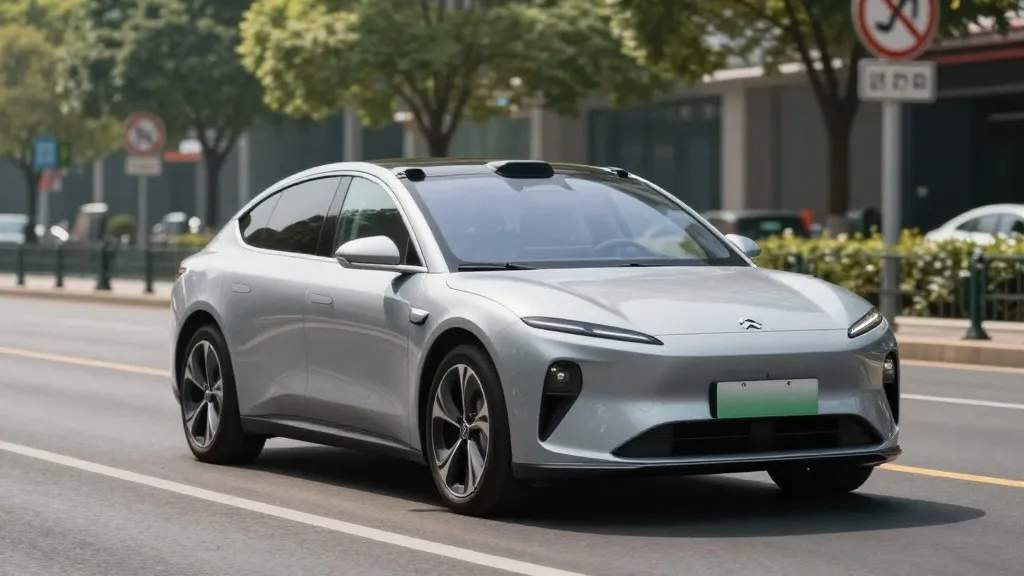
Tesla has confirmed it is developing its own mapping infrastructure to resolve persistent issues with its Full Self-Driving system, a strategic shift that contradicts years of executive rhetoric against map-based navigation.
The decision was detailed by Ashok Elluswamy, the company's Vice President of AI, during the third-quarter 2026 earnings call. Elluswamy stated that the firm is constructing a new AI-based mapping and navigation architecture. This system will be fed by data collected collectively from the entire vehicle fleet. The goal is to move away from reliance on external third-party mapping providers, which Elluswamy described as a dependency Tesla should not maintain. The new system is designed to learn individual driver preferences and respond to voice commands, aiming to provide a more personalized and accurate driving experience.
The primary motivation for this initiative stems from specific operational failures in the current software. Investors identified speed limit recognition, parking accuracy, and route selection as the most common pain points for users. Elluswamy indicated that the new mapping technology will initially handle the beginning and end of trips with the release of FSD version 15. Over subsequent months, the system is expected to take over broader navigation, parking, and destination handling tasks. This phased rollout suggests an effort to integrate the new map layer gradually rather than replacing existing systems all at once.
This development represents a notable reversal in Tesla's public stance on autonomous driving technology. In 2019, CEO Elon Musk dismissed high-precision lane maps as a huge mistake, arguing that reliance on them made systems extremely brittle. At that time, Musk also criticized the use of lidar, calling it a fool's errand. The prevailing view within the company was that vision and artificial intelligence alone could solve the driving problem without the need for detailed, pre-mapped environments. Seven years later, the company is building a map layer specifically to correct the errors that its vision system frequently encounters in real-world driving conditions.
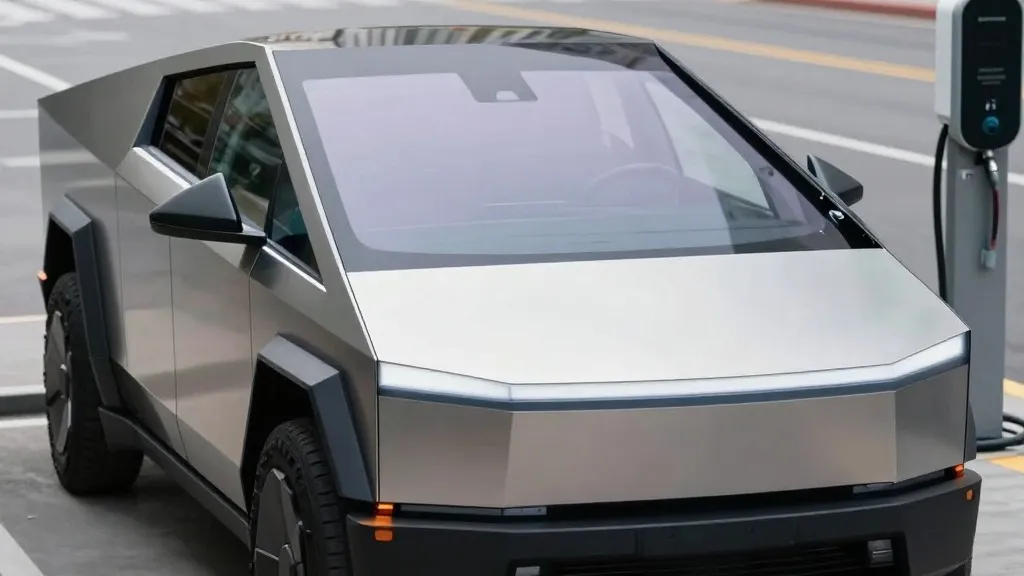
Critics and analysts note that the specific problems Tesla aims to fix, such as reading speed limit signs, are fundamental to understanding the road environment. Recent testing highlights the frequency of these errors. A Belgian road safety group found that FSD vehicles exceeded speed limits in 55 percent of 30 km/h zones in Brussels, with the vehicles averaging 44 km/h. In many instances, the car's display incorrectly showed a 50 km/h limit. Similarly, the U.S. National Highway Traffic Safety Administration is considering an investigation into claims that Tesla Robotaxis have sped through active school zones. These incidents involve roughly 1,000 Model Y and Cybercab vehicles. The inconsistency in reading basic road signage suggests that vision alone has not fully delivered on the promise of a general-purpose driving solution.
The new approach aligns Tesla's operations more closely with those of its competitors, such as Waymo. Waymo builds its service areas by driving sensor-equipped vehicles to create high-definition maps before launching driverless service. Tesla is now describing a similar model where fleet data feeds into a central map that improves the driving capability of every car. While Tesla does not use lidar for these maps, the underlying logic of using fleet-collected data to build a proprietary geographic database is fundamentally similar. This strategy also fits the current operational model of the Tesla Robotaxi service, which functions within specific, geofenced city areas rather than offering seamless nationwide coverage.
The shift does not mean Tesla is adopting the exact type of high-definition maps Musk previously criticized. The company has always used standard navigation maps, and building its own version of these is not inherently contradictory. However, the move addresses the specific environmental understanding gaps that have plagued the end-to-end vision system. By creating a map that is continuously updated by millions of vehicles, Tesla aims to create a data advantage that can correct for the limitations of real-time visual processing. This could prove to be a significant differentiator in the competitive landscape of autonomous driving.
Looking ahead, the integration of this new mapping layer is expected to influence the timeline for unsupervised FSD deployment. The company has already pushed back the rollout of unsupervised driving in consumer cars to the second quarter of 2027. This delay coincides with the development of the new map infrastructure. As the fleet continues to collect data, the map is expected to become increasingly detailed, potentially moving toward higher precision. For now, the focus remains on using this data to fix immediate issues, such as speed limit compliance, which are critical for both safety and regulatory approval. The evolution of this technology will likely define the next phase of Tesla's autonomous driving strategy.