Pagosa Springs Seeks Federal Aid After Second Flood Wipes Out Infrastructure
Archuleta County requests nearly $27 million from Denver as back-to-back storms isolate the town and damage over 800 buildings.
By Jonathan Ramirez ·
Archuleta County has asked Colorado Governor Jared Polis to request nearly $27 million in federal disaster aid following a second round of historic flooding. State officials expect that figure to rise as damage assessments from the November 1 storm conclude. The request comes just weeks after a previous flood in October left the small southwestern town isolated and struggling with repairs.
The second storm system arrived on November 1, carrying moisture from the remnants of Hurricane Trudy and an atmospheric river. Ryan Maue, a former chief scientist at the National Oceanic and Atmospheric Administration, estimated that more than 20 trillion gallons of rain fell across the Four Corners states and Nevada over two weeks. That volume is equivalent to ten months of water flow over Niagara Falls.
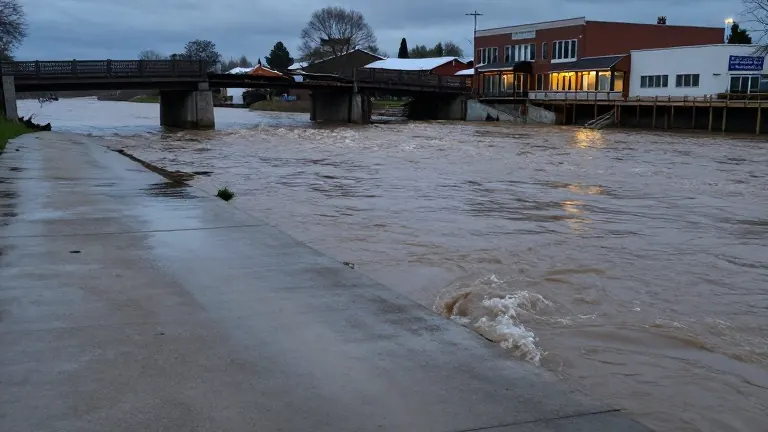
In Pagosa Springs, the San Juan River swelled dramatically. U.S. Geological Survey data shows the river’s flow rose from a summer range of 8 to 40 cubic feet per second to a peak of approximately 10,400 cubic feet per second. The surge eroded riverbanks and destroyed the Piedra Bridge on U.S. 160 west of the town. This infrastructure failure cut off primary access to Pagosa Springs, Durango, Bayfield, and Ignacio.
With U.S. 160 damaged, residents rely on U.S. 84, the only remaining highway into the town. That route runs south into New Mexico and underwent repairs as of Thursday. Archuleta County Commissioner Warren Brown noted that if U.S. 84 fails, the county becomes an island. For a rural population of about 14,000, washed-out roads add hours to trips for food, natural gas, and medical care. The county also lacks operating gravel pits, forcing crews to import materials for road repairs.
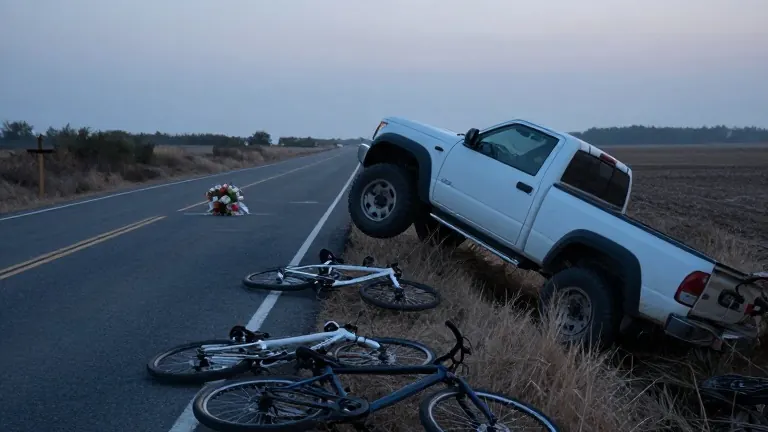
Damage assessments from the first flood in October reported at least 800 damaged buildings, including 540 homes. By Friday, those numbers had grown to at least 700 impacted homes, according to Pagosa Springs Mayor Shari Pierce. Some evacuees had not returned home by Wednesday. A house floated down the San Juan River and splintered against a bridge, while basements flooded and parks were buried in silt.
Resident James Bankston, 75, discovered parts of his home were collapsing into the river after seeing a social media post. He had just rebuilt the deck and added a hot tub in June. The river eroded 20 to 25 feet of bank, flowing under where his living room once stood. He lost a rock fireplace and a couch, marking the loss of a space where his grandchildren learned to walk.
Karen Evans, 55, evacuated her RV park cabin on the night of October 22. She drove through a flooded section of U.S. 160 with a baby in the back seat. She later discovered her renters insurance did not cover flooding. She now faces a three-hour drive to the regional medical center in Durango for appointments, a trip that previously took one hour.
The current disaster follows a year of fires, flooding, and drought in the region. The county responded to 26 wildfires in recent months. Last November, state officials requested federal aid for flooding that occurred in October. President Donald Trump denied that request and the state’s appeal, leaving local entities to fund repairs without federal support.