Mecca Defense Alliance Convenes in Tehran to Address Houthi Attacks
Representatives from Saudi Arabia, Pakistan, and Turkey met with Iranian officials on October 26 to negotiate a halt to missile strikes on Saudi infrastructure.
By Rafael Collins ·
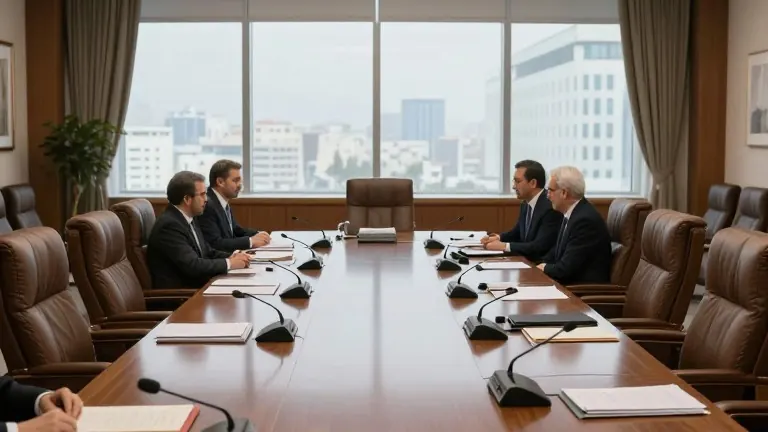
Representatives from the Mecca Defense Alliance gathered in Tehran on October 26 to negotiate with Iranian officials. The trilateral mutual-defense pact includes Saudi Arabia, Pakistan, and Turkey. The group met to address escalating conflicts in the Middle East that have disrupted global oil and cargo flows.
A senior security official in Islamabad stated that the alliance aims to persuade Iran to use its influence to stop Houthi attacks on Saudi Arabia. The official said the three nations are prepared to propose closer security cooperation between Saudi Arabia and Israel as leverage. This cooperation could require Saudi Arabia to join the Abraham Accords, which were signed in 2020 to normalize relations between Israel and several Arab states.
“The key question is why Iran should comply? The answer is that Saudi Arabia may ask for support from Israel and that will potentially require them to join the Abraham Accords,” the Islamabad official said. The official noted that Turkey already maintains diplomatic relations with Israel. If Tehran refuses to rein in the Houthis, the alliance could place this scenario on the table.
The official added that while Iran may comply regarding the Houthis, the regime is unlikely to soften its stance on negotiations with the United States. Islamabad-based analyst Azaz Syed said the US-Iran conflict is a major focus of the meeting. Syed noted fears that Washington is preparing to renew military attacks on Iran.
Pakistan’s army chief, Asim Munir, visited Tehran last week. He reportedly delivered a final warning to the Iranian government. “Apparently, this was a last-ditch effort to convince the Iranians” to reach a negotiated settlement with the United States, Syed said. The primary message from the three partners is a push for a broader settlement.
Hamidreza Azizi, a senior analyst at the International Crisis Group, described the Tehran meeting as a last-minute attempt to prevent further escalation. “The immediate priority seems to be finding a way to prevent the resumption of war between Iran and the United States,” Azizi said. He characterized the meeting as a continuation of existing diplomatic efforts, with the timing reflecting regional concern that these efforts may be running out of time.
The Houthis, based primarily in Yemen, have intensified missile attacks on Saudi Arabia. They targeted airports and oil infrastructure. This surge in attacks coincides with the closing of the Strait of Hormuz, a waterway that normally carries about one-fifth of the world’s oil and gas flows. Earlier this month, Houthi rebels attacked King Khalid International Airport in Riyadh, killing 13 people and wounding more than 300. The rebels also warned airlines against using Saudi airspace.
In response, Saudi Arabia launched strikes on Houthi targets in Yemen. The Mecca Alliance operates under a collective security arrangement similar to NATO’s Article 5. The pact states that an armed attack against any one of the three states is regarded as an attack against them all. Tensions between Iran and Pakistan have also risen recently. Islamabad closed two border crossings between Baluchistan and Iran’s Sistan-Baluchistan Province.
Pakistan introduced changes to its digital declaration procedure for tracking foreign currency remittances on Iranian exports. Sources report that Islamabad suspended operating clearance for Mahan Air, an Iranian airline linked to the Islamic Revolutionary Guards Corps. In reaction, Iran stopped exporting Liquified Petroleum Gas to Pakistan. Pakistan imports approximately 7,000 metric tons of LPG daily from Iran. Saudi Deputy Minister for Public Diplomacy Rayed Krimly said the visit demonstrates the alliance’s commitment to working with regional nations for stability.
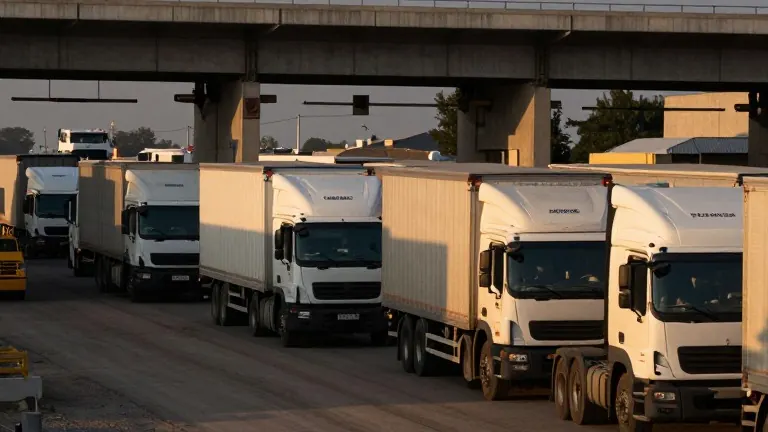
Reza Amiri Moghadam, the Iranian envoy to Islamabad, said consultations are under way regarding cross-border trade. He noted that several hundred trucks carrying LPG have crossed the Rimdan border into Pakistan but have not been unloaded. Rabia Akhtar, a professor of international relations at the University of Lahore, described the meeting as an attempt at regional crisis management. “Nobody at that table really benefits from another regional war,” Akhtar said. She added that establishing an understanding on restraint regarding Saudi security and Houthi attacks would be a meaningful outcome.