Israelian Voters Face Choice Between Two Alliances With Similar Gaza Stances
While candidates largely agree on the war and the lack of a two-state path, the election hinges on domestic control of the courts and the conscription of ultra-Orthodox citizens.
By Rafael Collins ·
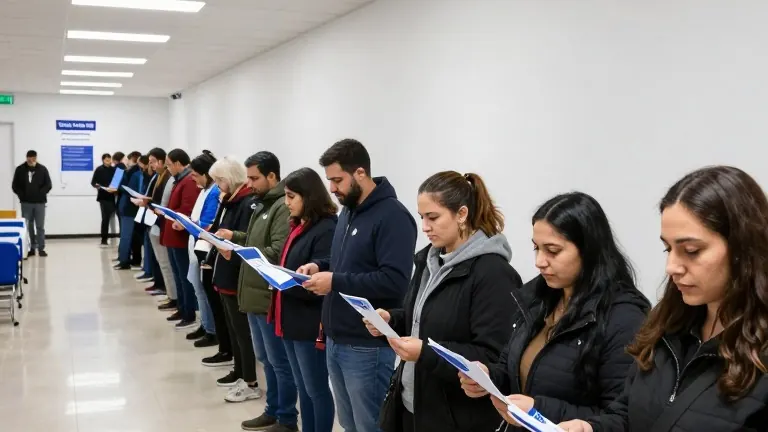
Israelis head to the polls on Tuesday in a vote that defines the direction of the state, yet the leading candidates offer little difference on the war in Gaza or the future of Palestinian statehood. The primary distinction lies in domestic governance, specifically the balance of power between the executive, the judiciary, and the military draft.
More than 74,000 people have been killed in Gaza since the conflict began. No major alliance has placed this figure or a clear route to a two-state solution at the center of its platform. The government maintains that the current war strategy is necessary, and opposition leaders generally support the military campaign while criticizing its management.
Prime Minister Benjamin Netanyahu leads the hard-right coalition. He promises that there will be no Palestinian state and has urged his allies to maintain the current trajectory. Finance Minister Bezalel Smotrich, a key member of the coalition, has called for the cancellation of the Oslo Accords and the expansion of Israeli sovereignty in occupied territories.
Gadi Eisenkot, the frontrunner for the opposition, represents a loose coalition of parties that promise a similar policy agenda but with greater legal restraint. Eisenkot stated that the two-state principle was a mistake and framed the election as a choice between his government of conscription and what he called Netanyahu's draft-dodging administration.
The conscription of the ultra-Orthodox, or Haredi, population has become a central economic and social issue. The coalition relies on two Haredi parties, Shas and United Torah Judaism, for legislative support. These parties have demanded a law to overturn a Supreme Court ruling from June 25, 2024, which shields yeshiva students from the draft. About 40 Haredim were arrested this month for avoiding conscription.
Shas leader Aryeh Deri said his party would not join any government unless the status of yeshiva students is regulated. Netanyahu described the arrests as a deliberate attempt to harm the drafting process without coercion. Avigdor Liberman, leader of Yisrael Beiteinu, argued that Netanyahu is currently a hostage to the draft evaders.
The judicial overhaul is the other major point of contention. The government passed measures in July to strip Attorney General Gali Baharav-Miara of many powers, allowing the cabinet to reject her legal advice. These measures take effect after the election. Justice Minister Yariv Levin described the vote as a historic chance to finish the job of reforming the courts.
Naftali Bennett, co-leader of the Together alliance, pledged to cancel all legal revolution laws as soon as the new Knesset convenes. Netanyahu argued that Israel needs the will of the people, not the will of the judges. A proposed government-led inquiry into the security failures of October 7 has been deferred to the next legislative session, with Eisenkot promising a State Commission of Inquiry.
More Politics · World news · Report a business · Got a Story?