Grain Routes: Black Sea Conflict Raises Global Food Costs
Drone strikes on commercial shipping have disrupted 27% of global wheat exports, driving Chicago futures up 20% as supply chains shift to riskier overland corridors.
By Kaito Sokolov ·
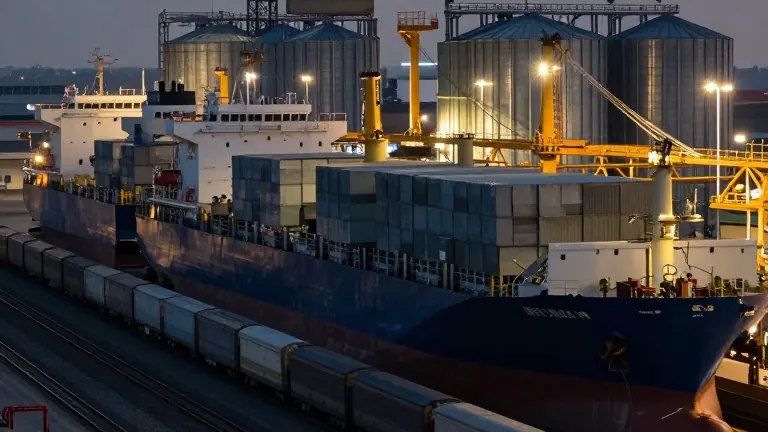
Global wheat prices have climbed approximately 20 percent during the first nine months of 2026, reaching their highest levels since 2023. This surge coincides with a sharp increase in attacks on commercial vessels in the Black Sea and the Danube River. For consumers in importing nations, particularly in Africa and the Arab world, these disruptions are already translating into higher food bills and depleting strategic reserves.
In October, a series of drone strikes targeted at least nine commercial ships off the coasts of Romania and Bulgaria. These NATO member states have complained of Russian incursions into their territory. The attacks are testing the limits of Article 5 of the North Atlantic Treaty, which mandates collective defense. Most of the vessels hit carry oil, gas, or food commodities like wheat and corn rather than military equipment.
Ukraine has shifted its grain exports away from Black Sea ports, which previously handled 90 percent of the country's agricultural shipments. Maritime traffic through these ports has largely halted due to Russian bombardment. Instead, Kyiv now relies on three alternative routes: the Danube corridor through Romania, overland trains and trucks through Poland and Hungary, and a maritime route along NATO coastlines toward the Bosphorus Strait. The Danube's share of Ukrainian port cargo jumped from 10 percent in the first half of the year to 74 percent in August.
Maritime security firm Ambrey reports that the rate of attacks on the Danube corridor was 3.7 times higher in the third quarter of 2026 compared to the first half. Ukraine’s agriculture minister estimates that if ports remain closed, the country will lose at least $8 billion between June 2026 and June 2027. This amount represents 20 percent of Ukraine's total export revenues from the previous year. Grain and vegetable oil exports accounted for about 40 percent of the country's merchandise exports in the first half of 2026.
Russia, the world's largest wheat exporter, has also faced escalating threats. Ukrainian drones struck Russian grain terminals and commercial vessels in July and August. Military officials stated that 76 Russian vessels were hit between July 6 and 11. These attacks knocked out an estimated 70 percent of Russia's grain export capacity. Moscow has diverted some exports to Baltic Sea ports after the Sea of Azov, which handled nearly a quarter of its wheat shipments, suffered repeated strikes on facilities like the port of Taman.
Together, Russia and Ukraine account for nearly 27 percent of global wheat exports. The timing of these conflicts is critical because late summer and early autumn mark the peak export season for winter wheat. The US Department of Agriculture estimates that production in the seven largest wheat-exporting countries will fall by 11 percent in the 2026-27 season due to drought and climate change. This production decline coincides with the physical disruption of shipping lanes, creating a dual threat to global supply.
The war in the Black Sea is adding to inflation already driven by energy supply disruptions in the Gulf. Transport costs are rising as insurers and shippers account for the danger of drone strikes. Importing nations face higher costs to secure shipments and longer transit times. The combined effect is a reduction in the volume of food reaching global markets while the price to move that food continues to climb.
More Business · Bad Business · Report a business · Got a Story?