Trump Deal With Russia Brings Diesel To A Net Exporter
U.S. diesel prices rose to $6.35 per gallon before the agreement, while analysts estimate the imports will cover only 12 days of domestic demand.
By Kaito Sokolov ·
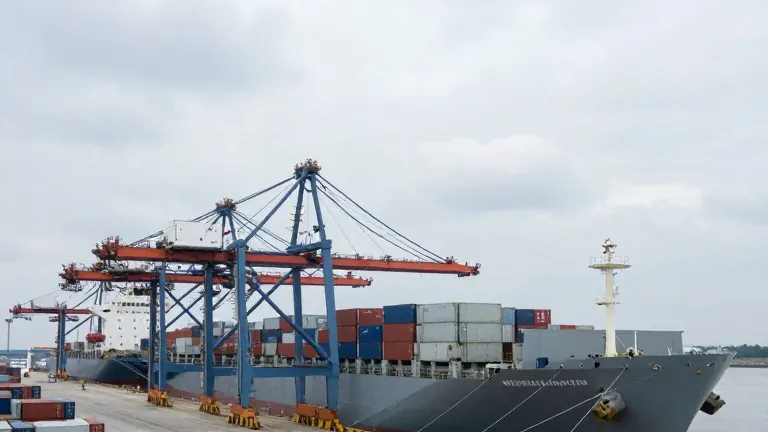
President Trump announced a deal on Oct. 9 to import nearly 5 million tons of Russian diesel fuel. The agreement aims to lower fuel costs in the United States. Diesel prices had risen sharply in the months leading up to the announcement. The average U.S. price for diesel reached $6.35 per gallon at the start of last week. That figure was up from $6.20 the week before the deal was unveiled.
Energy data shows the price spike began before the recent announcement. Average diesel prices increased by nearly 67% from just before Feb. 28 through Oct. 26. Regular gasoline prices rose by about 41% over the same period. The surge in diesel costs is attributed to disruptions in crude oil shipments through the Strait of Hormuz following the start of the war with Iran. Russian refineries have also faced damage from Ukrainian attacks.
Robert McCullough, an energy consultant based in Portland, Oregon, noted the volume of the deal. He stated that 4.8 million tonnes of diesel sounds large to a naive audience. The global market for diesel is approximately 1.4 billion tonnes per year. The Russian shipment represents about 30 hours of global consumption. The United States consumes roughly 2.94 million barrels of diesel daily. The total deal would provide the U.S. with supply for perhaps 12 days.
The United States is a net exporter of diesel. It sends an average of 200,000 metric tons abroad every day. McCullough described importing diesel as carrying coals to Newcastle. Trump outlined the delivery schedule in his announcement. Russia would provide over 300,000 tons immediately. Another 500,000 tons are due through the end of November. An additional million tons will follow immediately thereafter. The final 3 million tons will arrive within a short period of time.
The administration suspended U.S. sanctions on Russian diesel deliveries until early April 2027. Goldman Sachs estimates the first shipments may lower U.S. diesel prices by two to five cents per gallon. That reduction is small compared to the $2.65 per gallon increase seen over the last year. Some experts doubt Russia can meet the delivery schedule. Russian refinery infrastructure is damaged, and transporting oil to ports remains complex.
Sergey Vakulenko of the Carnegie Russia Eurasia Center estimates the deal will generate tens of millions of dollars per month for Russia. He called the revenue small fry for the Russian economy. The income may relieve some stress on Russia caused by the invasion of Ukraine and international sanctions. The deal also weakens the unified sanctions policy held by the U.S. and the European Union. It effectively abrogates the Lindsey O. Graham Sanctioning Russia and Iran Act of 2026, which Trump signed into law on Sept. 18.
Stephen Sestanovich of the Council on Foreign Relations said the deal shocked Ukrainian and European leaders. He noted the U.S. was dismantling sanctions unilaterally even when it violated its own laws. Lifting the ban on Russian oil requires certification of a ceasefire and Russian troop withdrawal. Neither condition has been met. A bipartisan group of 12 senators wrote to Trump on Oct. 13. They argued the deal provides Putin with fuel to finance his war machine. The senators described the agreement as a gift to an adversary and a betrayal of allies.
More Business · Bad Business · Report a business · Got a Story?