Cerus Trial Finds Intercept Red Cells Match Standard Transfusions
Late-stage data shows no difference in effectiveness or side effects, though the FDA has not yet reviewed the final report.
By Rafael Collins ·
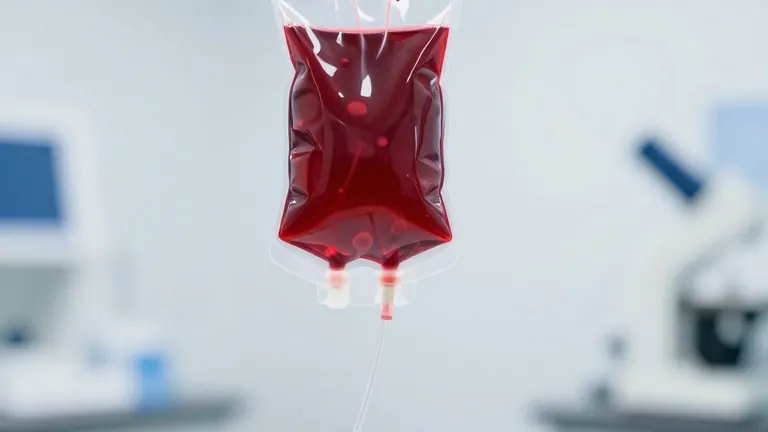
Cerus Corp announced on Monday that its blood-safety technology performed equivalently to standard methods in a late-stage clinical trial. The study focused on red blood cells treated with the company's Intercept system.
The primary objective of the trial was to prove that Intercept-treated cells were non-inferior to conventional red blood cells. Cerus reported that the treatment met this goal based on adjusted hemoglobin increment, a specific measure of transfusion effectiveness. The company also noted that there was no statistically significant difference in treatment-related adverse events between the two patient groups.
Intercept technology is designed to lower the risk of viruses, bacteria, and other pathogens in donated blood products. While the trial results were positive, the company acknowledged that a small number of patients developed temporary antibodies specific to the Intercept process. Cerus stated that there was no evidence of hemolysis, which is the destruction of red blood cells, and no clinical impact was observed from these antibodies.
Despite the successful trial, Intercept-treated red blood cells remain experimental in the United States. The US Food and Drug Administration has not yet granted approval for the product. The company confirmed that the agency has not yet reviewed the final study report.
The trial data provides key evidence for Cerus as it moves forward with the product. The results indicate that the technology can maintain transfusion effectiveness while addressing pathogen reduction. The next step in the process involves the FDA's review of the final documentation.
More Business · Bad Business · Report a business · Got a Story?