Facial recognition drives new passport photo standards
The State Department requires neutral expressions to assist biometric software, a shift from the relaxed rules of the early 20th century.
By Rafael Collins ·
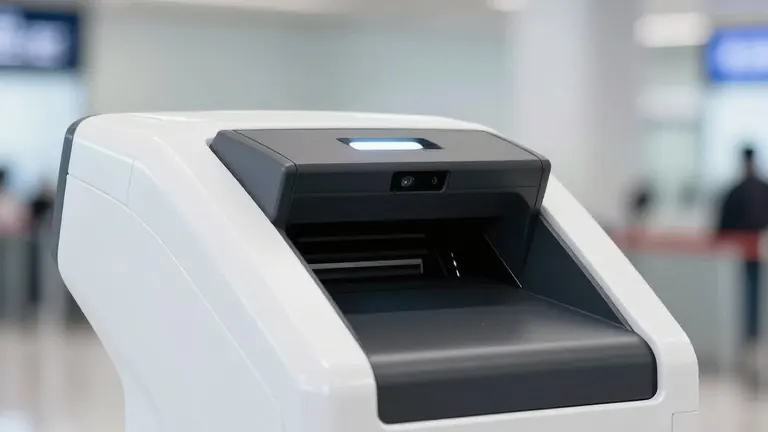
The State Department mandates that passport applicants maintain a neutral facial expression with both eyes open and the mouth closed. This specific requirement exists primarily to support facial recognition systems used at international borders. While the department does not technically ban smiling, showing teeth or altering facial proportions can disrupt the algorithms that verify identity.
Karolina Turowska, a biometric photography expert, explained that computers rely on precise measurements to compare a 3D face with a 2D photo. The software calculates distances between pupils, ears, nose, and mouth. A smile shifts these points, making it harder for the machine to match the traveler to their document. Humans can recognize faces regardless of expression, but automated systems require consistent geometry to function effectively.
Katy Nastro, a travel expert, noted that the rule prevents applicants from smiling broadly with teeth showing. Such expressions complicate the verification of eye color and general face shape. As more ports of entry use computers rather than immigration officers for initial screening, the need for a neutral baseline has increased. Current biometric technology struggles when facial landmarks are moved by muscle tension or grinning.
This standard is not unique to the United States. Turowska stated that most countries avoid smiling in passport photos, though definitions of a neutral expression can vary. The International Civil Aviation Organization sets global standards for travel documents, noting that exaggerated expressions hinder rapid identification. The U.S. and other nations updated their rules around 2004 as facial recognition technology advanced, establishing the neutral expression as the gold standard for biometric identification.
The history of passport photography dates back to 1920, following World War I. Early documents had few regulations, often featuring subjects playing instruments or wearing distracting hats. The shift to strict standards occurred only as digital technology required standardized inputs. If an applicant submits a photo that does not meet these criteria, the passport agency will delay processing and request a new image. The applicant receives instructions to resubmit, and failure to meet the deadline can result in the application being rejected or held indefinitely.
The guidelines also restrict other variables. Applicants cannot wear eyeglasses unless they are medically necessary, which requires a signed doctor's statement. Head coverings are permitted only if part of traditional religious attire worn continuously in public. Children face slightly more leniency, as maintaining a neutral expression is difficult. A smile is acceptable for minors if it does not impair the recognition of facial features and the child faces the camera with open eyes.