Anoka-Hennepin Schools Launch First Ojibwe Language Classes
Grant-funded instruction begins at Coon Rapids and Anoka High Schools, serving a district with nearly 1,200 Indigenous students.
By Jonathan Ramirez ·
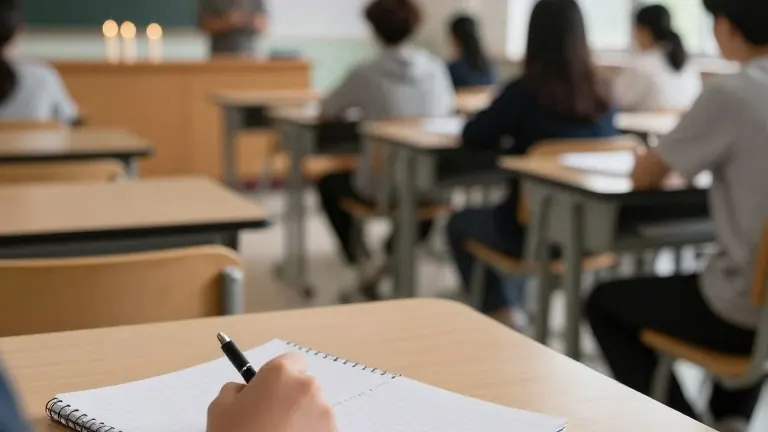
Students at Coon Rapids High School responded to roll call with the Ojibwe phrase 'indaaya oma' on Monday, marking the first day of formal language instruction in the Anoka-Hennepin School District. Tayah Reyes, a citizen of the St. Croix Band of Chippewa Indians and descendant of the Ho-Chunk Nation, led the session. About 20 students, ranging from freshmen to seniors, participated in the level one course.
The district began offering the class this academic year after reviewing requests from its American Indian Education Program. Mindy Meyers, the district’s American Indian Education Coordinator, noted that students had asked for greater access to both Ojibwe and Dakota languages. District officials selected Ojibwe based on feedback from community language tables and the availability of instructional resources. The classes are funded through state grants.
Anoka-Hennepin serves just under 1,200 students who identify as Indigenous. To support the new curriculum, the district partnered with the Midwest Indigenous Immersion Network, a nonprofit organization dedicated to revitalizing the Ojibwe language. The group provides public educators with training, professional development, and teaching materials. Executive director Gimiwan Dustin Burnette stated that the initiative aims to create access for the large population of Indigenous people living off reservations.
A recent study by the network found that Minnesota schools have not met state requirements for American Indian language and culture classes. State law mandates these classes when at least 5 percent of a school's students are American Indian. The study calculated that districts across the state would need to hire 150 additional language teachers to achieve full compliance.
Vincent Green, an 11th grader and descendant of the Red Cliff Band of Lake Superior Chippewa and White Earth Nation, enrolled to connect with his cultural heritage. He described the opportunity as valuable because the course is free and allows him to preserve the language. Isaiah Kingbird, a 9th grader and descendant of the Red Lake Nation and Seneca, joined the class to stay active in his community.
Reyes noted that parents expressed excitement during open house events, telling her their students were happy to have the option. She emphasized that the class provides positive representation in the school setting. Meyers added that non-Native students in the course also benefit by encountering contemporary examples of Indigenous people and exploring a different worldview.
The district currently offers only the level one course. Many students hope that a level two class will be added next year to allow for continued study. For now, the program operates at both Coon Rapids and Anoka High Schools.