4 New Rules: Cyan Lights Set to Define the Future of Robotaxi Safety
Federal regulators have proposed a standardized blue-green glow and the removal of several manual controls to streamline the deployment of driverless vehicles across the United States.
By Jonathan Ramirez ·
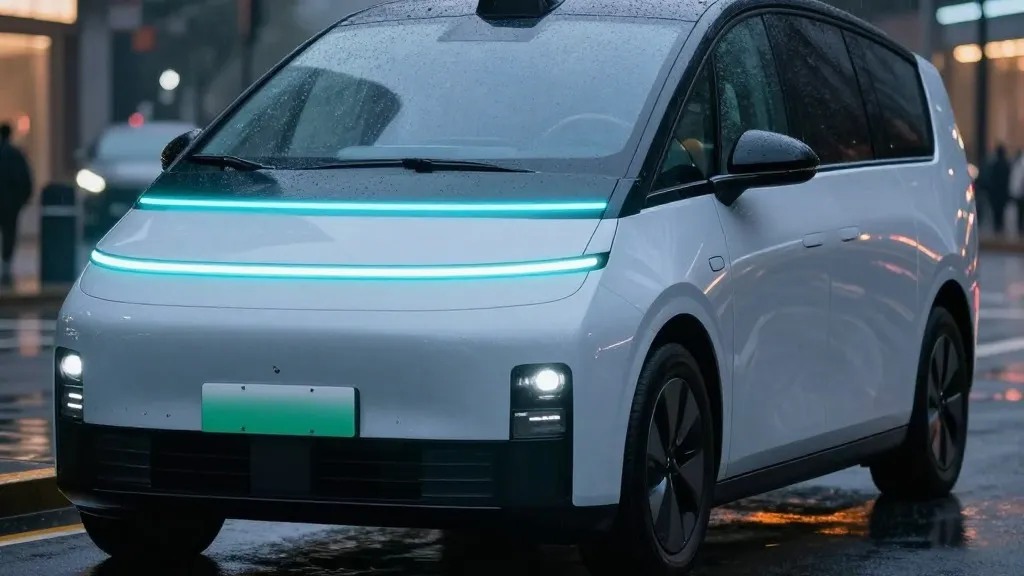
The National Highway Traffic Safety Administration has officially proposed that driverless vehicles use distinct cyan-colored marker lamps to signal to other road users that an automated system is in control. This move ends years of industry speculation regarding how robotaxis should visually distinguish themselves from human-driven cars. The agency aims to create a uniform national standard that companies like Waymo, Zoox, and Nuro can adopt, replacing the current patchwork of local regulations and experimental designs.
The proposal specifically targets Federal Motor Vehicle Safety Standard No. 108, which governs lighting equipment for motor vehicles. Regulators argue that cyan fills a critical visual gap in the current traffic spectrum. Traditional vehicle lights already utilize red for braking, amber for signaling, and white for illumination, while emergency services reserve flashing blue and red lights. By introducing a unique blue-green hue, the NHTSA intends to provide a clear, consistent cue to law enforcement and pedestrians without causing confusion or alert fatigue.
Although the cyan marker lights would remain optional for manufacturers, the new rules would strictly define their color, brightness, and placement. This standardization ensures that any automaker choosing to implement the feature does so with a legally compliant and consistent setup. The agency seeks to avoid a fragmented market where different companies use varying colors or intensities, which could complicate driver recognition and response times in mixed traffic environments.
Beyond the new lighting requirements, the proposal seeks to remove several legacy rules that are obsolete for vehicles without human operators. Current federal standards require physical hazard switches, manual beam shifters, and turn signal levers inside the cabin. The NHTSA proposes eliminating these mandates, allowing designers to create cleaner interiors that reflect the reality of autonomous operation. This change supports the broader Department of Transportation initiative to streamline the development of cars that may lack traditional steering wheels and pedals.
The update also addresses technical testing standards to accommodate modern engineering. The agency proposes updating the 12.8-volt testing standard to align with contemporary LED architectures, reducing administrative burdens for automakers. Additionally, NHTSA is considering removing requirements that dictate the physical positioning of high-beam lights relative to low-beam lights. These adjustments are designed to give manufacturers more flexibility in designing lighting systems that are efficient and effective for autonomous systems.
There is some precedent for this type of signaling, though it has not yet become a widespread norm. Mercedes-Benz previously received state-level approval for turquoise lights on its Level 3 Drive Pilot vehicles. However, the automaker later shifted its strategy toward a Level 2++ system, effectively pausing the use of the distinct color. Despite this, the federal proposal aims to establish a permanent framework that can be used by both legacy automakers and new tech-focused mobility companies.
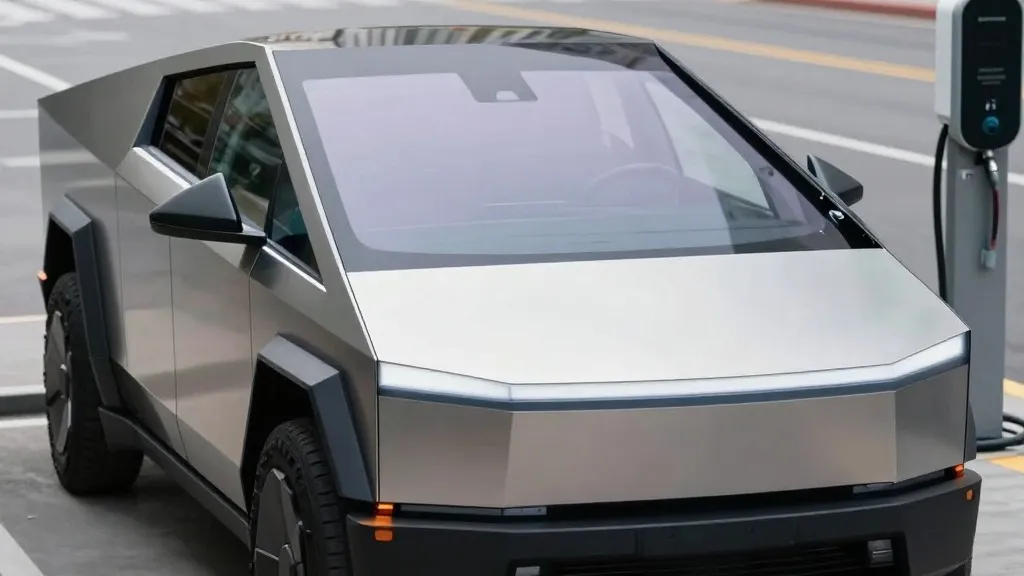
The timing of this proposal is notable given recent regulatory scrutiny in the autonomous vehicle sector. Last month, the NHTSA opened an audit query into the Tesla Cybercab to examine the technical data used during its certification process. The inquiry focused on the absence of certain design features, such as sideview mirrors, pedals, and a steering wheel, which are currently required under existing FMVSS rules. The new proposal signals a shift toward updating these baseline requirements to better fit the technical realities of driverless technology.
If finalized, these changes would provide a clearer regulatory pathway for the next generation of autonomous vehicles. By standardizing the visual language of robotaxis and removing outdated physical control mandates, the federal government aims to accelerate the safe integration of self-driving cars into American infrastructure. The proposal represents a significant step in defining the aesthetic and functional identity of the automated driving era.