Midterms Test American Confidence
Polls show President Trump's approval at 37% as voters head to the polls for the 2026 midterms.
By Kaito Sokolov ·
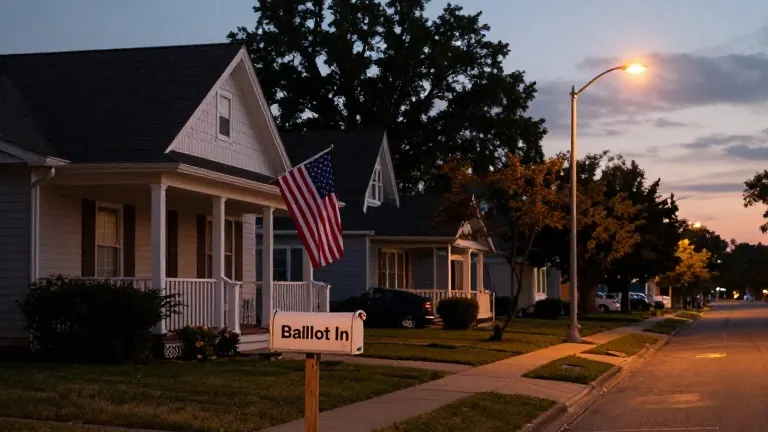
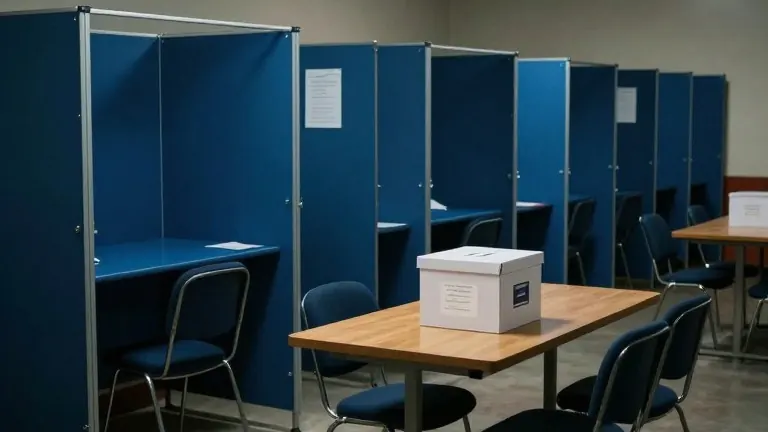
Millions of Americans go to the polls Tuesday to decide the makeup of Congress.
Polling data indicates that the midterm electoral pendulum is swinging back against the party holding the White House. This pattern has occurred in nearly every midterm cycle over the last century. Current surveys point to substantial losses for Republicans in swing states and even in some red states that Donald Trump won with double-digit margins in his previous three presidential campaigns.
President Trump spent the final weekend of the campaign in Iowa and Kansas to support Senate candidates. He also held remote events in 19 other states. His team aims to limit losses in what analysts describe as a difficult environment for the GOP. Most observers predict the party will lose its slim majority in the House. The Senate race is close enough that the party could hold the majority using the tie-breaking vote held by Vice President Vance.
The president has made the election personal by campaigning hard for his party's candidates. Critics argue this personalization makes the midterms a referendum on his leadership. His average approval rating has dropped from 52% early in 2025 to 37% now. This figure is below the 40% threshold that has historically signaled poor midterm results for the president's party.
Economic concerns are driving voter dissatisfaction. Inflation remains elevated, and the public sees gas prices leading a sustained increase in everyday costs. Democrats have focused on unfulfilled promises, such as peace in Ukraine and lower prices. They have also united around opposition to large data centers built for the AI industry and the war on Iran.
Democrats face internal divisions even if they gain power. Ruy Teixeira, a political demographer at the American Enterprise Institute, published 11 questions for the party in October. His final question asks whether Democrats will prioritize working-class interests over their recent focus on race, gender, and social policy. The party's nominee class includes candidates aligned with the Democratic Socialists of America, a group that has featured prominently in Republican campaign ads.
Nonpartisan experts defend the current state of American election administration. Since the Help America Vote Act passed two decades ago, states have replaced punch-card ballots with touch-screen technology and paper trails. However, trust in the system may be tested in the days ahead. Trump has long questioned the integrity of elections, a pattern dating back to his 2016 nomination. He has called polls and news reports fake, raising questions about how he will react if the results do not match his expectations.