Apple's 25 Year Legacy Begins With The 1000 Song Pocket Player
Two decades and five years after its debut, the original iPod remains the device that defined personal music before the smartphone era.
By Kaito Sokolov ·
The original Apple iPod marked its 25th anniversary on October 23, 2001, a date that signaled a fundamental shift in how consumers interacted with personal media. At the time, the device was introduced as a breakthrough digital gadget that was not a Mac, yet it quickly became the most iconic portable product in the company's history. It served as the primary companion for music lovers for nearly a decade, bridging the gap between the desktop computer and the eventual dominance of the smartphone.
The launch occurred during a critical period for Apple, as the company had recently moved past the beige Mac era into the Mac OS X period. With the iBook and iMac lines performing well, the firm was riding a wave of renewed consumer confidence in the wake of the dot-com bubble burst. Steve Jobs envisioned the Mac as the central hub for a user's digital life, connecting various peripherals like cameras and DVD players. He identified portable music as a massive, untapped market with no clear leader, despite the presence of competitors like Sony, Creative, and Sonic Blue. Jobs argued that none of these existing players had yet found the correct recipe for digital music.
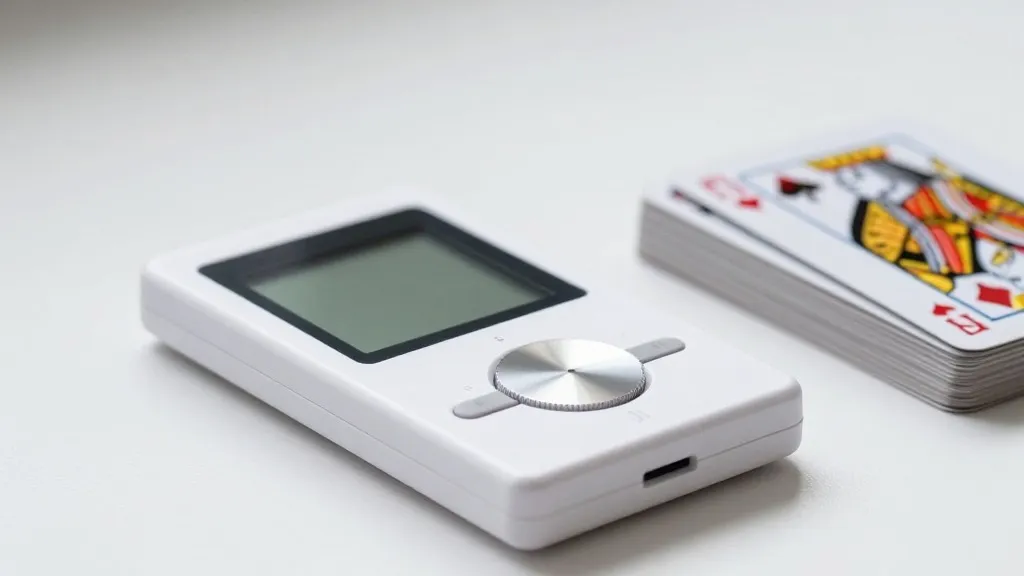
The device itself was engineered to hold a thousand songs, a claim that Jobs emphasized would represent the entire music library for the average user. This capacity was achieved through a 5GB hard drive, which allowed for approximately 1,000 pop songs encoded as 160Kbps MP3 files. The hardware was a significant engineering feat, utilizing a 1.8-inch ultra-thin Toshiba hard drive that was only 0.2 inches thick. This component allowed the entire device to be the size of a standard deck of cards, measuring 2.4 by 4 by 0.78 inches and weighing just 6.5 ounces. Jobs noted that this made it lighter than most cell phones available at the time.
Connectivity was a major differentiator for the first generation model. It featured a single FireWire 400 cable for both data transfer and charging, a setup that was marketed as the first and only music player to use this technology. The speed of this connection was a key selling point, with Apple claiming that a full CD could be transferred in as little as five to ten seconds. In contrast, USB connections of that era could take up to five minutes for the same task. Transferring a full 1,000-song library was estimated to take only ten minutes via FireWire, compared to five hours on a USB-based player.
The user experience was designed around simplicity and tactile feedback. The device included a specialized scroll wheel with a piezoelectric clicker that provided physical feedback, allowing users to navigate playlists, artists, and songs with one hand. Jobs highlighted the minimal design of the back and sides, arguing that it embodied the legendary ease of use associated with the Apple brand. During the initial presentation, the first song demonstrated on stage was Building a Mystery by Sarah McLachlan, a choice that showcased the device's CD-quality sound and support for formats like MP3, WAV, and AIFF.
Power management was addressed with a rechargeable lithium-polymer battery that provided ten hours of continuous playback. Apple stated that the battery could be recharged to 80 percent in just one hour. The device also offered advanced features such as 20-minute skip protection and fast file transfers, ensuring a reliable listening experience even in less than ideal conditions.
The release of the iPod was simultaneous with the launch of iTunes 2, which introduced new features like MP3 CD burning and specific syncing support for the new player. The Auto-Sync feature ensured that any library curated on a Mac would remain perfectly synchronized with the pocket device whenever it was connected. This integration solidified the iPod's role not just as a player, but as an extension of the user's computer, effectively doubling as a FireWire hard drive.
The impact of this 2001 release was long-lasting. The first iPhone did not arrive until early 2007, and the two devices coexisted in Apple's product lineup for more than a decade. While the smartphone eventually made the dedicated music player redundant, the iPod's influence persisted. The final model, the 7th-generation iPod Touch, was released in May 2019. Although the product line was left without updates for a time, it was only officially discontinued in May 2022, closing the chapter on a device that had defined personal audio for a generation.