Voters Restrict 40 of 41 AI Data Center Measures
Residents passed local limits on new facilities, citing water and power concerns, even as industry experts argue that precise site-level consumption data remains difficult to verify.
By Rafael Collins ·
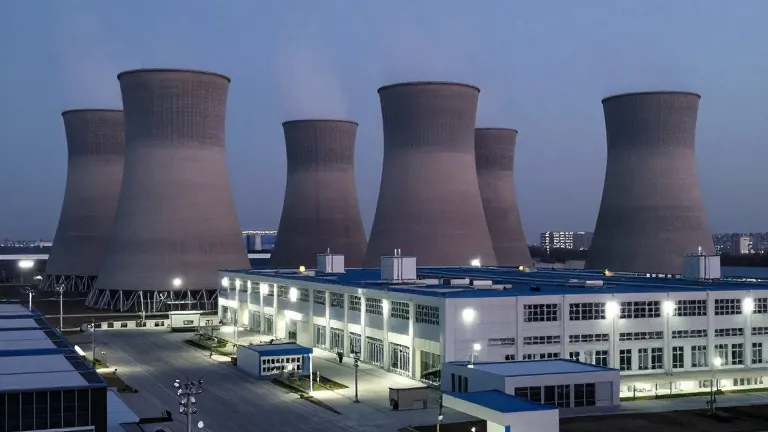
Residents across the nation approved 40 of 41 ballot measures this week to place restrictions on new artificial intelligence data centers. The votes reflect growing pressure to limit the resource demands of the more than 2,000 new facilities currently planned for various communities.
Water and electricity usage represent the primary concerns for ratepayers. However, determining the exact consumption for individual sites is difficult because operators typically report usage figures for their entire company rather than for specific locations. Shaolei Ren, a data center researcher at the University of California, Riverside, estimates that giant 1-gigawatt facilities from companies like Meta, Google, Amazon, and SpaceX can consume up to 10 million gallons of water per day.
Modern AI hardware requires more intensive cooling than legacy systems. GPUs run at such high temperatures that air cooling is often insufficient. Christopher Wellise, sustainability head at Equinix, noted that water is about 3,000 times more efficient for cooling these dense components than air. This drives the industry toward closed-loop liquid cooling systems, which recirculate the same water and use minimal daily supplies.
The total water footprint depends largely on how heat is rejected to the outside environment. Meta is building a 1-gigawatt facility in Lebanon, Indiana, that uses a closed-loop internal system. The company states that this system recirculates water and will use zero water for most of the year. However, water allocation for the site could rise to 8 million gallons per day by 2031 on the hottest days. Meta told CNBC that it anticipates reaching this maximum usage level only a few days per year.
Operators face a trade-off between water and power when managing external cooling. Dry cooling uses fans and consumes less water but requires significant power, particularly in hot climates where refrigeration units must run. Evaporative cooling uses little power but loses large amounts of water through evaporation. Many facilities, such as Equinix's site in San Jose, California, use hybrid methods that switch between dry and evaporative cooling based on the season.
Major tech firms are investing in infrastructure to manage these resources. Meta spent $100 million on a water and wastewater system near its Kuna, Idaho, data center. Elon Musk pledged $80 million to build a water recycling plant near SpaceX's Colossus data centers in Tennessee, though construction on that plant was paused in April. Meanwhile, chip manufacturers are developing hardware that generates less heat. SK Hynix is working on a memory technology that can reduce thermal resistance by 30%.