Neil Young seeks $10 million from Trump group over rally song
The musician argues the 1989 track contradicts the president's political platform.
By Jonathan Ramirez ·
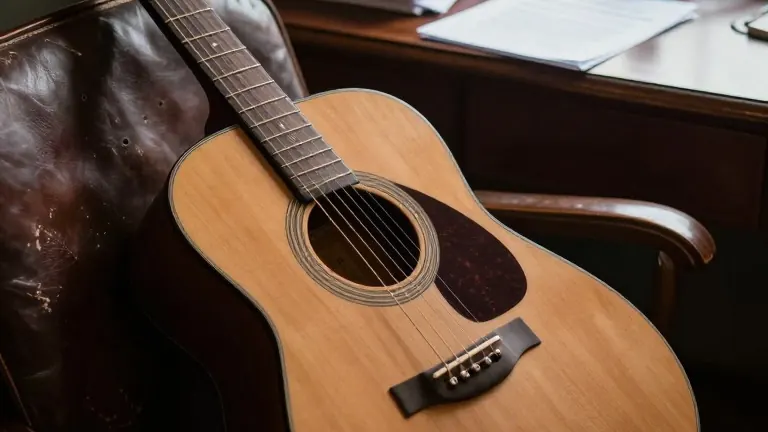
Neil Young filed a federal lawsuit on Monday seeking $10 million in damages against the Trump 47 Coalition. The claim centers on the group's use of his 1989 hit “Rockin’ in the Free World” at a recent political rally. Young’s legal team argues the president’s team did not hold a license for the track.
The suit describes the song as a stark contrast to the political rhetoric of the administration. The complaint states the lyrics depict the struggles of the poor and homeless, offering a sharp irony to the celebration of freedom. Young’s lawyers explicitly called the song “the opposite of everything that Donald J. Trump stands for.”
This legal action marks the second time Young has sued a Trump-affiliated entity over this specific song. In 2020, he sued the Donald J. Trump for President group. The new filing notes that the previous team settled shortly after being served. They promised they would never use the song again without permission from Young.
Young is a dual citizen of the United States and Canada. He has expressed concern over his ability to re-enter the country during his European tour. He is one of several musicians who have clashed with the administration in recent years. Others include Bruce Springsteen, Jack White, Sabrina Carpenter, and Olivia Rodrigo.
The White House did not immediately respond to a request for comment regarding the new filing. Young is seeking the $10 million figure as compensation for the copyright infringement. The case will proceed in federal court, where the court will determine if the use of the music violated Young's rights.
The complaint highlights the specific imagery in the lyrics, such as a mother discarding a baby and addicts in despair. The legal team argues these images clash with the message of the rally where the song was played. The suit relies on the claim that the repeated chorus celebrates a freedom not shared by all.
Young’s team emphasized the settlement from 2020 in their new documents. They stated the previous group asserted no defense to the claim. This history forms a key part of Young's argument that the Trump 47 Coalition should have known to seek permission before using the track.