Railroad History: The Pullman Porters' Fight for Dignity
Black workers in the Pullman Palace Car Company faced grueling conditions but organized the first nationally recognized union for African Americans.
By Jonathan Ramirez ·
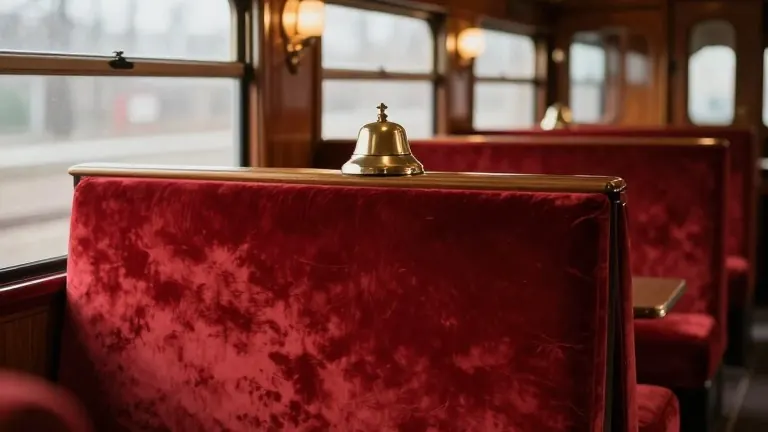
George Pullman founded his luxury rail company with a specific vision: high-end travel for white passengers served by Black men. This business model defined the industry for over a century, placing thousands of formerly enslaved people in charge of the country's premier sleeping cars.
The first porters began working around 1867. By the 1920s, the workforce had grown to approximately 20,224 African Americans in the United States and Canada. These men carried luggage, shined shoes, prepared berths, and served meals. Some were even required to sing and dance to entertain the clientele. Despite their central role, they were barred from the passenger cars they maintained under Jim Crow segregation rules.
The physical demands of the job were extreme. Porters often worked shifts as long as 20 hours with minimal rest. To receive their full salary, a worker might be required to travel 11,000 miles or log 400 hours in a single month. Linus Scott, a porter for 35 years, described a 21-hour stretch where he slept for only three hours. Many earned just $1 a day, forcing them to cover the costs of their own uniforms and meals. Tips became essential for survival, adding pressure to please every passenger.
The social hierarchy on board was rigid. White passengers routinely addressed the men as "boy" or "George" after the company founder, rather than using their actual names. The porters were expected to remain cheerful and attentive while navigating constant racial scrutiny. Their personal dignity was secondary to the comfort of the customers they served.
The working conditions led to organized resistance. In August 1925, the Brotherhood of Sleeping Car Porters was established. This union faced strong opposition from the Pullman Company but became the first labor organization led by African Americans to gain national recognition in the railroad industry. A. Philip Randolph was recruited to lead the group in 1929. The union fought for fair wages and better conditions, eventually securing a collective bargaining agreement with the company.
The company's dominance was vast. At its peak in 1929, Pullman sold nearly 34 million premium fares. The business operated under the assumption that its monopoly was permanent. However, legal challenges and shifting consumer preferences began to erode that position. In 1940, the federal government challenged the company's market control in court. The government alleged the company held a monopoly over the sleeping car industry. The court ordered the separation of the manufacturing and operating divisions.
The decline of passenger rail accelerated in the 1950s as the Interstate Highway System expanded and commercial aviation rose. Pullman ceased operations in 1969. Amtrak took over most remaining passenger routes in 1971. Some former porters retired, while others continued under the new system. Veterans, often called "Old Heads" by the 1980s, trained younger employees in the strict standards of service that had defined their careers.
By the 1990s, nearly all of the original porters had retired. The era that began in the aftermath of the Civil War had closed. The men who served on these trains had not only provided a service but had also built a labor movement that connected to the broader struggle for civil rights. Their work created pathways for Black economic mobility and community connection during a time of strict segregation.