Manila cemeteries host thousands on All Saints Day
Lorita Santos and other families visited graves on Sunday to maintain ancestral traditions that blend Catholic observance with pre-colonial customs.
By Jonathan Ramirez ·
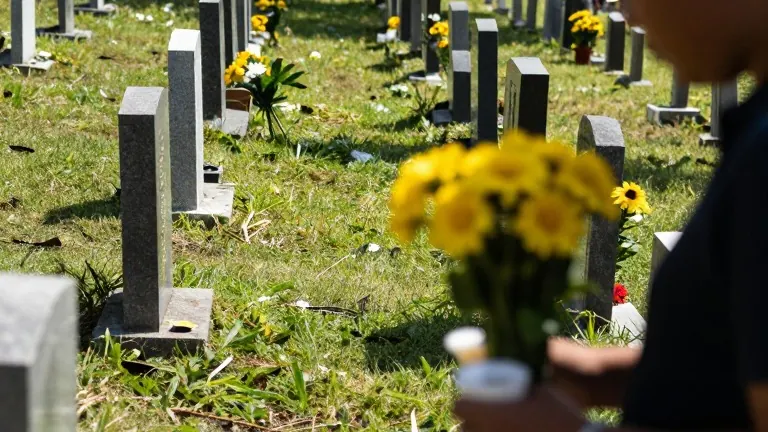
Lorita Santos stood at the grave of her father on Sunday in Manila, holding a candle and sharing stories with her children. She joined thousands of other Filipinos who visited cemeteries across the city to mark All Saints' Day. For Santos, the visit is a way to keep the memory of her late father alive, particularly his habit of giving small gifts to his descendants on payday.
The tradition, known locally as Undas, has been practiced for generations. The term comes from the Spanish word "honras," which means honors. Families typically bring flowers and candles to the resting places of their loved ones. They also share snacks and prayers during the visit. Santos noted that the occasion allows families to discuss the lives of those who have passed away.
Nestor Castro, an anthropology lecturer at the University of the Philippines Diliman, explained that the observance combines Catholic beliefs with older indigenous practices. Before the Spanish arrived in 1565, Filipinos honored ancestral spirits called anito by offering food and gifts. These pre-colonial rituals were not tied to a specific calendar date but were part of a continuous practice of ancestor veneration.
When the Spanish introduced Catholicism, the existing customs merged with new religious observances. The resulting tradition now spans two days: All Saints' Day on November 1 and All Souls' Day on November 2. Castro pointed out that similar customs exist in other countries with strong Catholic histories, such as Mexico, Bolivia, Poland, and Hungary.
In Mexico, families often spend time at graves or build home altars decorated with marigolds and food. The Manila-Acapulco galleon trade connected the Philippines and Mexico for centuries during the Spanish colonial era, creating historical ties that are reflected in these shared mourning practices.
For Mike Mamaril, a 42-year-old school maintenance employee, the annual visit is a ritual passed down from his grandparents. He makes time for the trip even though he rarely gets other chances to visit the cemetery. The gathering serves as a reunion for relatives who live far apart. Mamaril and his family use the time to reminisce about lighter moments from his childhood, such as who received the most scoldings.
Castro described these gatherings as binding events that strengthen family ties. Sticky rice cakes are commonly shared during Undas, with the sticky texture symbolizing the bonds between relatives. The visits ensure that children learn the tradition so they can continue the practice if their parents pass away.