Honda's Ohio factory marks 44 years
A 1982 milestone in Marysville reshaped the American auto industry and established a new model for global manufacturing.
By Rafael Collins ·
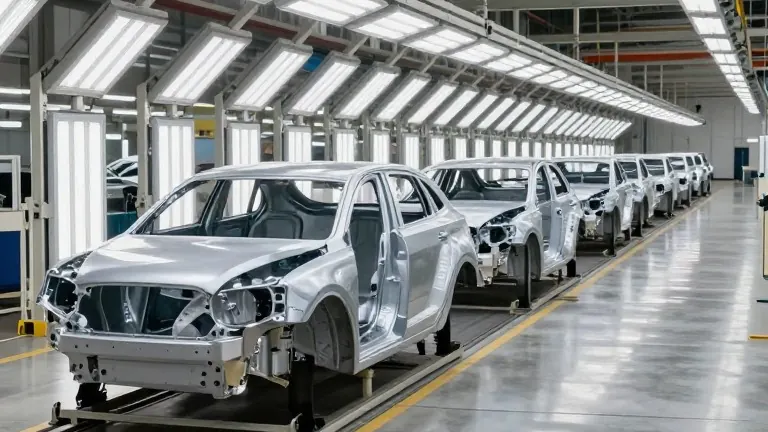
For American workers, the arrival of Japanese manufacturing in the United States signaled a permanent shift in the automotive economy. On Nov. 1, 1982, the first Japanese car produced in the U.S. rolled off the assembly line in Marysville, Ohio. This event marked the beginning of a new era for the Honda manufacturing plant, which has operated in the state for four decades.
The vehicle that left the line was a Honda Accord. The factory location was chosen for its strategic position in the Midwest. By establishing a production base in Ohio, Honda aimed to serve the domestic market directly. This move reduced shipping costs and allowed the company to respond more quickly to consumer demand. The plant represented a major investment in American infrastructure by a foreign automaker.
The decision to build the factory in Marysville involved local stakeholders and state officials. The Ohio Department of Development played a role in facilitating the project. The plant created jobs for local residents who had previously worked in other industries. The establishment of the facility helped solidify Ohio's reputation as a key hub for automobile manufacturing.
The timing of the plant's opening coincided with a period of high tension in the auto industry. American consumers were increasingly interested in fuel-efficient vehicles. Japanese manufacturers had gained a strong foothold in the U.S. market with imports. By producing cars domestically, Honda could compete with traditional American brands while maintaining its reputation for reliability. The Accord model proved to be a commercial success.
The Marysville plant has expanded significantly since its opening. It now produces several models for both domestic and export markets. The facility employs thousands of workers and supports a network of local suppliers. The long-term presence of Honda in Ohio demonstrates the durability of the partnership between the company and the region. The plant's success has influenced other automotive companies to consider domestic production options.
The history of Nov. 1 includes other major events that shaped the modern world. In 1512, Pope Julius II inaugurated the ceiling of the Sistine Chapel. In 1755, a massive earthquake struck Lisbon, killing tens of thousands. In 1765, the Stamp Act went into effect in the American colonies. In 1800, John Adams moved into the unfinished White House.
Other notable events on this date include the appointment of George B. McClellan as General-in-Chief in 1861. In 1894, Nicholas II became Emperor of Russia. In 1936, Benito Mussolini described the alliance with Nazi Germany as an axis. In 1938, Seabiscuit defeated War Admiral in a famous race at Pimlico Race Course. In 1950, an assassination attempt on President Truman took place at Blair House.
The U.S. tested its first thermonuclear hydrogen bomb in 1952 at a Pacific atoll. In 1989, East Germany reopened its border with Czechoslovakia. In 1993, the Maastricht Treaty established the European Union. In 1995, peace talks in Ohio led to the end of the Bosnian war. Today marks the birthdays of several public figures, including Tim Cook, who is 66, and Gary Player, who is 91.
More Business · Bad Business · Report a business · Got a Story?