Makeup Artist: Use an Eyebrow Pencil Two Shades Lighter Than Hair
Raquel Linde advises against dark, dense fillers to prevent a rigid look as gray hairs appear and skin changes with age.
By Rafael Collins ·
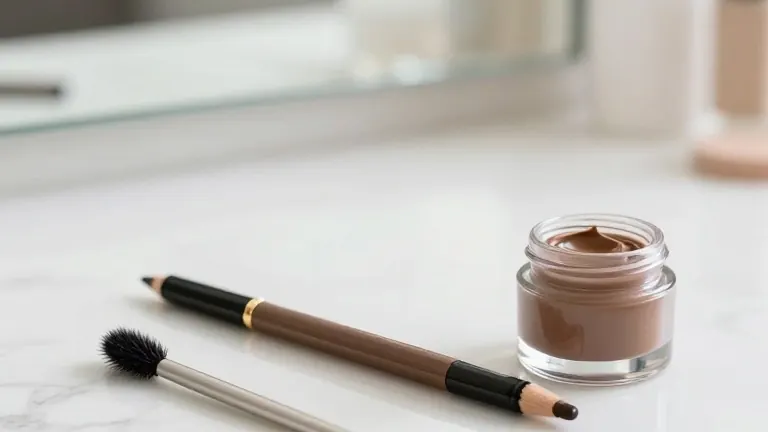
The most recent guidance from veteran makeup artist Raquel Linde centers on a specific shade adjustment. She advises clients to select an eyebrow pencil that is two shades lighter than their hair color. This shift in pigment is designed to soften the facial frame and create a more youthful appearance without relying on heavy coverage.
Linde notes that makeup techniques that worked in earlier years often become too rigid as time passes and the first gray hairs emerge. Maintaining a fresh look requires adapting traditional methods to the changing condition of the skin and hair. The goal is to synchronize with natural features rather than attempting to hide every detail with dark products.
The specialist warns against the common habit of using products that are too dark or dense. She states that the most important rule is not trying to cover the brows with such materials. Instead, she recommends cool tones such as taupe, soft chestnut, or neutral browns. Warm or reddish pigments should be avoided to maintain harmony.
Applying the correct shade involves specific mechanical steps. Linde suggests using a fine-tipped pencil to draw small strokes only in the sparsest areas. This technique prevents the uniform block effect that often results from over-filling. Before applying any product, the hairs must be combed to identify exactly where density is lacking.
A small amount of tinted gel serves as the final layer. This product helps disguise gray hairs and keeps the existing hair in place. The edges should be blended to avoid visible hard lines. Linde emphasizes that this method respects the natural form of the brow rather than altering it.
The expert also addresses the long-term effects of excessive plucking. Constant extraction with tweezers or wax weakens the follicle matrix. This process can lead to traction alopecia, which causes permanent loss of density in key areas. Breaking the natural growth cycle leaves gaps that disrupt the facial frame.
Repeated traction on sensitive skin contributes to chronic irritation. It also accelerates the loss of elasticity in the eyelid area. These changes compromise the firmness and freshness of the eye over time. Linde’s method aims to mitigate these visual effects through tone selection and gentle application.